
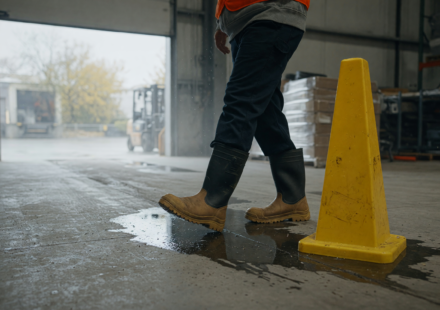
Warehouse Slip Prevention: Traction, Wet Floors and Fall Weather
A practical guide to warehouse slip prevention this fall, covering footwear traction, wet floor control, entrance mats, housekeeping, and the US standards behind them.

Lightweight Summer Hi-Vis: Breathable Fabrics That Keep Workers Cool
A practical guide to lightweight summer hi-vis: how breathable fabrics keep crews cool, what ANSI/ISEA 107 requires, and how OSHA heat rules fit in.
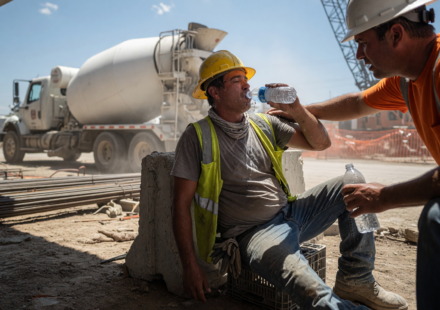
Recognizing Heat Exhaustion vs Heat Stroke on the Jobsite
A plain-English field guide to telling heat exhaustion from heat stroke on the jobsite, the signs that separate them, and the fast first-aid steps that save lives.

Jobsite Hydration Programs: Electrolytes, Schedules and Shade Stations
A practical guide to building a jobsite hydration program: what OSHA and NIOSH recommend on water, electrolytes, work-rest schedules, shade stations, and acclimatizing new crew members.
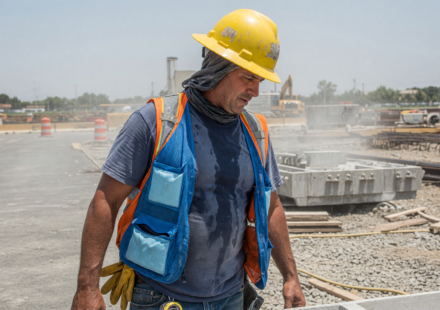
Cooling PPE for Outdoor Crews: Vests, Neck Gaiters and Ice Packs
A practical guide to cooling PPE for outdoor crews, comparing evaporative, phase-change and ice-pack vests, neck gaiters and towels, and how to match gear to your climate and heat plan.
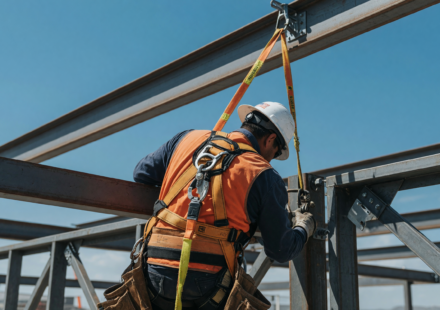
Fall Protection Basics: Harnesses, Anchors and the OSHA ABCDs
Falls are the #1 cause of construction deaths. This complete guide breaks down the OSHA ABCDs of fall protection — Anchorage, Body harness, Connectors, Deceleration — plus when protection is required and how to build a system that works.
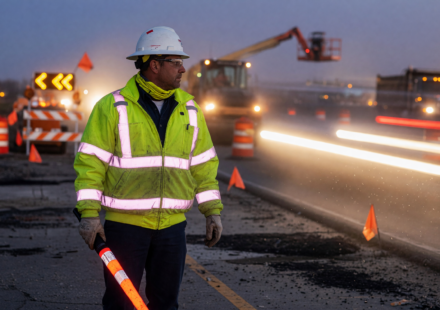
Hi-Vis Apparel and ANSI/ISEA 107: Class 1, 2 and 3 Explained
Not all safety vests are equal. Here's how ANSI/ISEA 107 grades high-visibility apparel into Class 1, 2 and 3, what the background and reflective material actually do, and how to pick the right class.
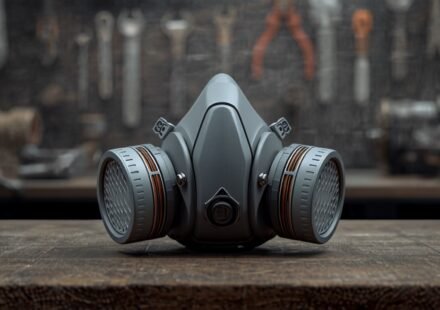
Respirators and NIOSH: N95, Half-Masks and Fit Testing Explained
A disposable N95, a half-mask, or a PAPR? Here's how NIOSH rates respirators, what the letters and numbers mean, why fit testing is non-negotiable, and how to pick the right protection for the hazard.
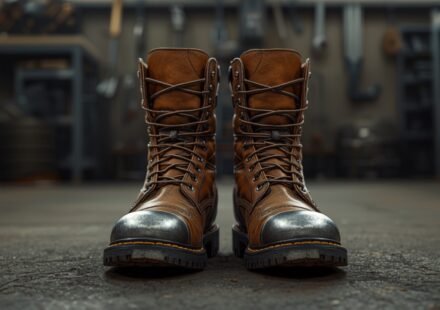
Safety Footwear Guide: ASTM F2413, Composite vs. Steel Toe
Steel toe or composite? What do the letters stamped inside the tongue mean? A plain-English guide to ASTM F2413, impact and compression ratings, and choosing safety boots for the real hazards on your floor.

Hearing Protection at Work: NRR Ratings and OSHA Limits Explained
Noise-induced hearing loss is permanent and 100% preventable. Here's how to read the NRR on a package, what OSHA's 90 dBA limit really means, and how to pick earplugs or earmuffs that actually protect.