
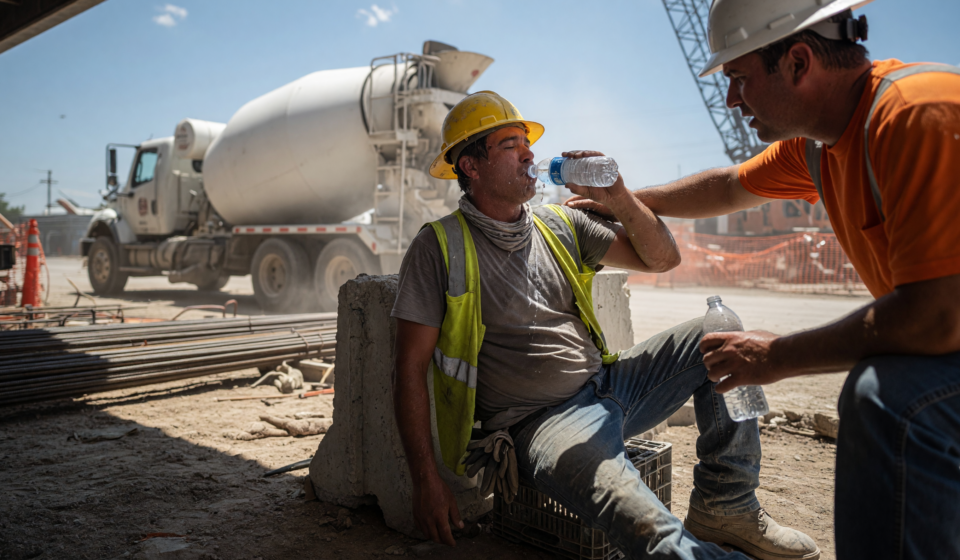
Recognizing Heat Exhaustion vs Heat Stroke on the Jobsite
It is the middle of a July afternoon, the asphalt is radiating heat like a griddle, and a coworker who was cracking jokes an hour ago has gone quiet, pale, and unsteady on his feet. In that moment, one skill matters more than any other on the crew: heat illness recognition. Knowing the difference between a worker who is overheated and one whose body has stopped coping altogether can be the line between a shady break and a 911 call. Heat does not announce itself politely, and by the time symptoms are obvious, the clock is already running.
This guide walks through how to tell heat exhaustion apart from heat stroke in the field, why the distinction is genuinely life-or-death, and what to do in the first few minutes for each. We will lean on guidance from OSHA and NIOSH, cover the gear that helps your body shed heat, and lay out the simple habits that keep a hot day from turning into a hospital visit. No jargon, no fear-mongering, just what a foreman, safety lead, or crew member needs to have wired into muscle memory before the temperature climbs.
Why the Difference Actually Matters
Heat exhaustion and heat stroke are not just two points on the same scale where one is “a little worse.” They call for different responses. Heat exhaustion is your body waving a flag: it is losing the battle to cool itself, but it can still recover with rest, fluids, and a cooler spot. Heat stroke is different in kind, not just degree. It means the body’s core temperature has climbed so high that its cooling system has failed and the brain and organs are beginning to take damage. One is a serious warning. The other is a true medical emergency where every minute counts.
The reason recognition is a skill worth drilling is that heat stroke can look deceptively sudden. A worker may push through the early signs of heat exhaustion, either out of toughness or because the heat itself clouds judgment, and then cross into heat stroke quickly. If the crew can name what they are seeing, they respond correctly. If they hesitate or guess wrong, they lose the window that matters most.
Reading the Signs of Heat Exhaustion
Heat exhaustion tends to build over time, and the person experiencing it is usually still alert enough to tell you something feels off, even if they downplay it. According to OSHA’s heat-related illness guidance, the warning signs cluster around a body that is straining but still fighting to cool down.
- Heavy sweating: The skin is often damp and clammy because the body is still pouring out sweat to shed heat.
- Fatigue and weakness: A worker feels wiped out, sluggish, or unusually tired for the task at hand.
- Dizziness or lightheadedness: Standing up, bending, or turning quickly may bring on a wave of unsteadiness.
- Nausea or vomiting: An upset stomach is common and easy to mistake for something they ate.
- Headache, irritability, and thirst: Mood changes and a nagging headache often show up alongside strong thirst.
- Elevated temperature or fast heart rate: The pulse quickens as the heart works harder to move blood to the skin.
The key reassurance here is that the person is typically still coherent. They can answer your questions, they know where they are, and they can walk to shade with help. That mental clarity is one of the most important clues that you are dealing with heat exhaustion rather than something worse.
Spotting Heat Stroke Before It Is Too Late
Heat stroke is where the picture changes. The single most important thing to watch for is a change in mental state. When the brain starts overheating, thinking and behavior break down, and that is your loudest alarm. OSHA identifies the hallmark signs of heat stroke as follows.
- Confusion or altered behavior: The worker seems disoriented, acts strangely, or cannot follow a simple instruction.
- Slurred speech: Words come out garbled or make no sense, much like someone who is intoxicated.
- Loss of consciousness: The person faints, collapses, or cannot be roused.
- Seizures: Convulsions can occur as the nervous system is overwhelmed.
- Hot skin, either dry or still sweating: The skin may be hot and dry, but do not wait for dryness, because heavy sweating can still be present.
- Very high body temperature and a racing pulse: The core is dangerously overheated even if you cannot measure it on the spot.
Remember this rule. OSHA’s guidance is blunt and worth memorizing word for word: “When in doubt, cool the worker and call 911.” If a coworker is confused, cannot speak clearly, or has passed out, treat it as heat stroke and act immediately rather than waiting to be certain.
First Aid: What to Do in the First Few Minutes
For heat exhaustion, the response is straightforward. Move the worker to a cooler, shaded, or air-conditioned area. Have them sit or lie down, loosen or remove heavy clothing and gear, and give cool water to sip if they are alert and able to swallow. Cool them with wet cloths, fans, or cold packs, and stay with them. If symptoms do not improve within a short time, get worse, or the person cannot keep fluids down, escalate and seek medical care. Someone who has had heat exhaustion should not go back to hard work in the heat that same shift.
For heat stroke, the priority order flips: call 911 first, then cool aggressively while you wait. OSHA points to rapid cooling as the goal, and cold water immersion is described as the most effective way to bring a body temperature down fast in an emergency. If a tub, stock tank, or immersion setup is available, use it. If not, soak the worker with cold water and place ice or cold wet towels on the head, neck, armpits, and groin, where large blood vessels run close to the surface. Remove bulky protective clothing, keep air moving, and never leave the person alone.
👉 Shop jobsite heat emergency response kit with instant cold packs on Amazon (Ad — as an Amazon Associate, we earn from qualifying purchases.)
Where OSHA and NIOSH Stand
As of now, there is no single dedicated federal OSHA standard that spells out heat rules for every workplace, though the agency has been advancing a proposed Heat Injury and Illness Prevention rule for outdoor and indoor work settings. In the meantime, employers are not off the hook. OSHA enforces heat hazards under the General Duty Clause, Section 5(a)(1) of the Occupational Safety and Health Act, which requires employers to keep the workplace free from recognized hazards likely to cause death or serious harm. Extreme heat squarely qualifies.
Several states have gone further with their own heat rules, including California, Oregon, Washington, Colorado, and Minnesota, each with its own triggers and requirements. NIOSH, the research arm on the federal side, has long published recommendations on heat stress and reminds employers that personal protective equipment itself can add to the heat burden, since gear that blocks hazards can also trap heat against the body. The practical takeaways from all of this guidance tend to rhyme.
- Water: Provide cool drinking water and encourage frequent small amounts throughout the shift, not just at breaks.
- Rest: Build in rest breaks that get longer as heat and workload climb.
- Shade: Offer real shade or a cool indoor space where workers can actually recover.
- Acclimatization: Ease new and returning workers into full exposure over several days, because unacclimatized bodies are far more vulnerable.
- A plan and a buddy system: Train the crew to watch each other, since the person overheating is often the last to realize it.
Gear That Helps Your Body Shed Heat
No product replaces water, rest, and shade, but the right gear buys your body margin on a brutal day. The goal is always the same: help the body lose heat and slow the climb toward exhaustion. Cooling accessories work in a few different ways, and understanding the mechanism helps you choose wisely.
- Evaporative cooling vests and towels: You soak them in water, and as the water evaporates it pulls heat away from the skin, which works best in dry air.
- Phase-change and ice-pack vests: These use inserts that stay cool for a set stretch of time and shine in humid conditions where evaporation struggles.
- Cooling neck gaiters and bandanas: Worn over the large vessels in the neck, they help cool the blood heading to your brain.
- Moisture-wicking, light-colored clothing: Breathable fabrics move sweat off the skin so evaporation can do its job, and lighter colors absorb less sun.
- Wide-brim hard hat accessories and sun shields: Shading the head, neck, and face reduces the radiant load beating down on you.
👉 Shop evaporative and phase-change cooling vests on Amazon (Ad — as an Amazon Associate, we earn from qualifying purchases.)
One caution worth repeating from the NIOSH perspective: some jobs require heavy or non-breathable PPE, such as chemical suits or turnout gear, that traps heat no matter what. In those cases, the gear is part of the hazard, and the answer is shorter work cycles, more rest, and closer monitoring rather than assuming a cooling vest solves everything.
👉 Shop cooling neck gaiters and moisture-wicking base layers on Amazon (Ad — as an Amazon Associate, we earn from qualifying purchases.)
Building Recognition Into the Crew’s Habits
Recognition is not a one-time briefing; it is a habit you build. The most effective crews talk about heat the same way they talk about fall protection or lockout: out loud, often, and before the hazard shows up. A two-minute toolbox talk at the start of a hot shift, naming the specific signs to watch for, does more than a laminated card no one reads. Assign a buddy system so every worker has someone keeping an eye on them, and make it normal to speak up when a coworker looks off.
It also helps to remove the stigma. Workers push through heat exhaustion because they do not want to look weak or slow the job. A crew culture that treats calling for a break as smart rather than soft catches problems early, while they are still just heat exhaustion. The foreman who says “if you feel dizzy, tell me, no questions asked” prevents more heat stroke than any single piece of equipment.
The Bottom Line
Heat exhaustion and heat stroke live on the same road, but they demand different exits. If the worker is sweating, tired, dizzy, and still clear-headed, you are likely looking at heat exhaustion: cool them down, get fluids in, and let them recover. If the worker is confused, slurring, collapsing, or seizing, treat it as heat stroke, call 911 immediately, and cool aggressively with cold water while you wait, because the brain and organs are already at risk. Change in mental status is the dividing line, and when you are not sure, OSHA’s advice is the safest bet: cool the worker and call 911. Pair that knowledge with water, rest, shade, sensible gear, and a crew that looks out for one another, and you turn the hottest day of the year from a gamble into a shift everyone finishes on their feet.
Disclaimer: This article is for general educational purposes only and is not medical advice, legal advice, or a substitute for professional training. Heat illness can be fatal; in a suspected emergency, call 911 and follow the guidance of qualified medical and safety professionals. Always consult current OSHA, NIOSH, and applicable state regulations and your employer’s site-specific safety program.
Sources: OSHA, “Heat-Related Illnesses and First Aid” and “Heat – Standards” (osha.gov); OSHA General Duty Clause, Section 5(a)(1) of the Occupational Safety and Health Act; OSHA proposed Heat Injury and Illness Prevention in Outdoor and Indoor Work Settings rule; NIOSH Heat Stress recommendations and PPE Heat Burden guidance (cdc.gov/niosh); state heat rules in California, Oregon, Washington, Colorado, and Minnesota.