
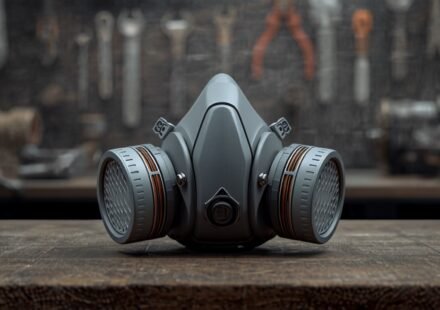
Respirators and NIOSH: N95, Half-Masks and Fit Testing Explained
A disposable N95, a half-mask, or a PAPR? Here's how NIOSH rates respirators, what the letters and numbers mean, why fit testing is non-negotiable, and how to pick the right protection for the hazard.
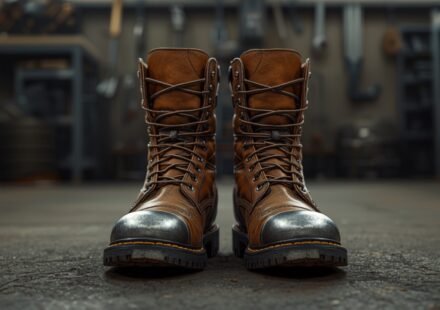
Safety Footwear Guide: ASTM F2413, Composite vs. Steel Toe
Steel toe or composite? What do the letters stamped inside the tongue mean? A plain-English guide to ASTM F2413, impact and compression ratings, and choosing safety boots for the real hazards on your floor.

Hearing Protection at Work: NRR Ratings and OSHA Limits Explained
Noise-induced hearing loss is permanent and 100% preventable. Here's how to read the NRR on a package, what OSHA's 90 dBA limit really means, and how to pick earplugs or earmuffs that actually protect.
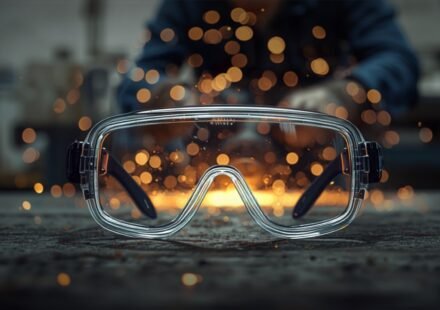
Safety Glasses and ANSI Z87.1: The Complete Buyer’s Guide
Most eye injuries are preventable with the right glasses. Here's how to read the ANSI Z87.1 markings, match lenses to the hazard, and pick eyewear people actually keep on.

How to Choose Cut-Resistant Work Gloves: ANSI Cut Levels A1–A9 Explained
Cut-resistant gloves are graded ANSI A1 to A9 — but the number is only half the story. Here's what the cut levels mean, how ANSI compares to EN 388, and how to match a glove to the real hazard.

The Complete Guide to OSHA PPE Requirements: What Every Worker and Employer Needs to Know
A clear, practical guide to OSHA's PPE requirements — hazard assessments, who pays, and how to choose head, eye, hearing, respiratory, hand, foot and hi-vis protection by ANSI/ISEA and ASTM standards.