
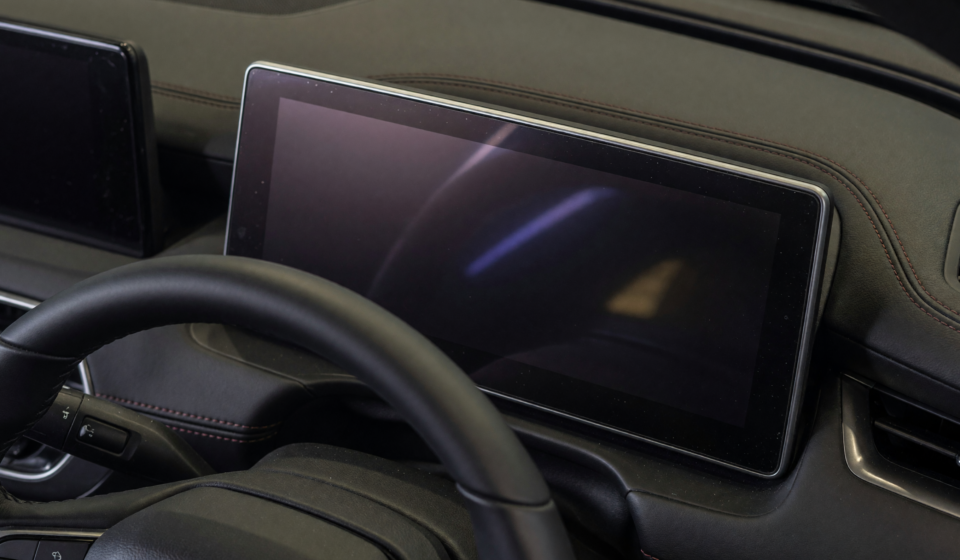
Toyota Recalls 508,000 Camry Hybrids Over Blank Instrument Cluster
Toyota is recalling roughly 508,000 Camry Hybrid sedans in the United States after a software error can leave the main instrument cluster blank at startup, hiding the speedometer, warning lamps, and other critical information a driver relies on. The Toyota Camry Hybrid recall, approved on July 31, 2026 and listed in the National Highway Traffic Safety Administration’s detailed recall summary released August 17, covers 2025 and 2026 model-year cars built between August 2024 and June 2026. It is one of the larger passenger-vehicle recalls of the year, and because Toyota estimates the defect is present in essentially all of the affected cars, it is a good moment to explain what the problem is and what owners should do.
What the Toyota Camry Hybrid recall covers
According to NHTSA campaign 26V511000, the recall applies to Camry Hybrid sedans equipped with the 7-inch instrument cluster, which Toyota calls a “combination meter.” A software fault during the cluster’s startup routine can cause the screen to go blank at random when the car is turned on. When that happens, the driver loses the visual display for a range of functions at once rather than a single gauge. Toyota has said its records indicate the condition can affect 100 percent of the recalled population, which is why the company opted for a broad campaign rather than a limited fix.
Higher trims fitted with the larger 12.3-inch digital instrument cluster are not included, because that display runs on different software. Reporting on the recall traces the affected 7-inch clusters to a supplier’s manufacturing operations, and the remedy is a software update rather than a hardware replacement. Toyota has not reported any crashes or injuries linked to the defect as of the recall filing.
Why a blank display is a safety problem
A dark instrument cluster may sound like an inconvenience, but the panel does more than show your speed. When the display fails, several safety-related indicators can go dark at the same time. Based on the recall documentation, a blank cluster can disable or hide the following:
- Speedometer and gauges: Without a working speedometer, a driver cannot easily judge how fast they are traveling, which matters in work zones, school zones, and on unfamiliar roads.
- Turn signal and hazard indicators: The dashboard tell-tales that confirm your signals are flashing can disappear, and the hazard-light function can be affected, reducing the cues other drivers and workers depend on.
- Seat belt reminder: The warning that prompts occupants to buckle up may not appear, removing a small but proven nudge toward wearing a belt.
- Smart key and system warnings: Indicators tied to the smart key and other vehicle warnings can be hidden, so a developing problem might go unnoticed.
Federal motor vehicle safety standards require that certain telltales and signals be visible to the driver, which is why a software glitch that blanks the panel becomes a formal defect rather than a cosmetic annoyance. The risk is not that the car suddenly stops working; it is that the driver is deprived of information needed to operate the vehicle safely and to warn people nearby.
What you should do
If you own or lease a 2025 or 2026 Camry Hybrid, the fix is free and does not require new parts. Dealers will reprogram the instrument cluster software at no charge. Toyota expects to begin mailing owner notification letters on or around September 21, 2026, but you do not have to wait for the letter to check your car.
- Look up your VIN: Enter your 17-character vehicle identification number at the NHTSA recalls site or Toyota’s owner portal to confirm whether your specific car is included.
- Schedule the software update: Contact a Toyota dealer to arrange the free reprogramming once remedy parts and instructions are available; reference NHTSA campaign 26V511000.
- Stay alert if the display blanks: If your cluster goes dark, drive with extra caution, rely on posted speed limits, use your mirrors and manual signaling habits, and have the vehicle serviced promptly.
- Keep your contact details current: Make sure your address is up to date with Toyota so the recall notice reaches you.
What to do. Check your VIN against NHTSA campaign 26V511000, then book the free dealer software update. If the instrument cluster ever goes blank while driving, treat it as a signal to slow down, use extra care, and get the car in for the fix as soon as you can.
Context and what happens next
Modern vehicles increasingly depend on software to render the entire instrument panel, so a single coding fault can knock out many indicators at once instead of just one bulb. That is a shift from the era of discrete mechanical gauges, and it is why regulators and automakers now treat display software as a safety-critical system. Recalls tied to digital clusters, backup-camera images, and driver-information screens have become more common as more of the dashboard moves to pixels.
The Camry Hybrid campaign is one of several recent Toyota software-related actions, and it appeared alongside other notable filings in NHTSA’s mid-August summary. For owners, the practical takeaway is simple: this is a free, relatively quick fix, and confirming your VIN now means you will not be caught off guard if a notice is delayed in the mail. For everyone else, it is a reminder to periodically check whether any vehicle in the household has an open recall, since these fixes are provided at no cost and are meant to head off a problem before it contributes to a crash.
Anyone who notices a persistent blank or malfunctioning display, on this model or any other, can also report it to NHTSA, which uses consumer complaints to spot defect trends and, when warranted, to press for recalls.
Disclaimer. This article is for general safety information only and is not a substitute for guidance from Toyota or the National Highway Traffic Safety Administration. Recall details, vehicle populations, and remedy timelines can change as manufacturers update their filings. Always confirm whether your specific vehicle is affected using your VIN and follow the official instructions from the manufacturer and NHTSA.
Sources: NHTSA Recalls (campaign 26V511000); WardsAuto; Yahoo Autos; NHTSA Detailed Recalls Summary, Aug. 17, 2026.