
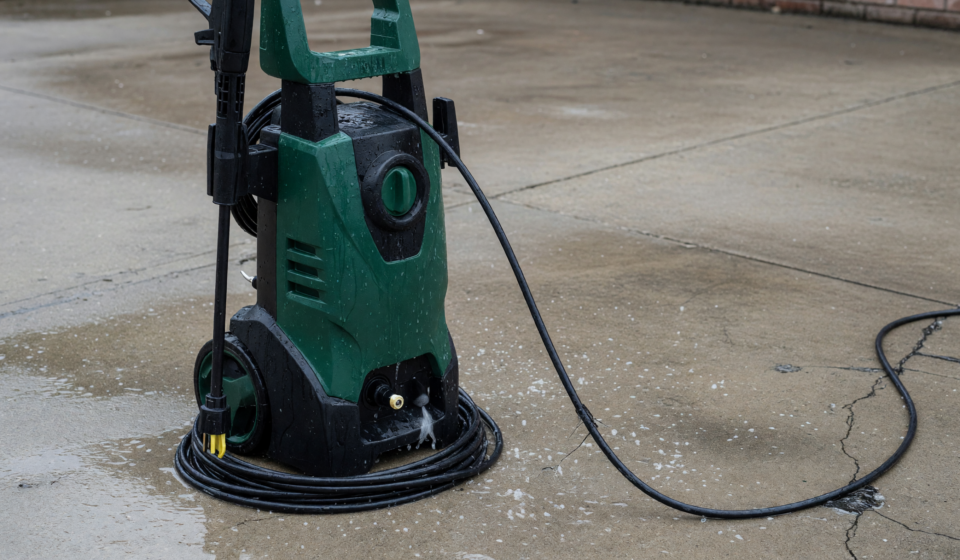
CPSC Warns: Stop Using PowRyte Pressure Washers Over Shock and Electrocution Risk
WASHINGTON — On October 22, 2026, the U.S. Consumer Product Safety Commission (CPSC) issued an urgent pressure washer safety warning, telling consumers to stop using PowRyte electric pressure washers immediately. According to the agency, the machines lack an integrated immersion protection device — a ground-fault circuit interrupter, or GFCI — on or near the power plug, leaving users exposed to a serious risk of shock and electrocution. Because the importer, Powell Works, Inc. of China, has not responded to the CPSC’s requests for a recall, the commission took the step of warning the public directly rather than announcing a cooperative recall.
What the CPSC warning says
The notice, published as Product Safety Warning No. 27-036, covers PowRyte-branded electric pressure washers. CPSC describes the hazard plainly: the pressure washers “lack an integrated immersion protection device on or near the power plug,” also known as a GFCI, “posing a risk of death or serious injury” due to electrocution and shock. In everyday terms, the safety component that is supposed to cut power the instant electricity leaks into water or into a person is missing from these units.
If you are trying to figure out whether you own one, these are the identifying details the agency published:
- Brand: PowRyte electric pressure washers. The CPSC notice does not list specific model numbers.
- Appearance: Green with black trim, sold with a hose, multiple quick-connect nozzles, and a foam cannon.
- Where sold: Amazon.com and eBay.com.
- Price: About $92 to $320.
- Firm: Powell Works, Inc. of China, which the CPSC says “has not responded to requests for a recall.”
The CPSC says it is aware of one reported incident involving a PowRyte pressure washer that did not have a GFCI. The agency did not publish a unit count or a sales-date range for the affected washers, and no injuries were detailed in the notice. The commission urges consumers to stop using the pressure washers immediately and to report any safety incidents at SaferProducts.gov.
Why a missing GFCI is a serious pressure washer safety problem
A ground-fault circuit interrupter is a small, fast-acting safety device that constantly compares the electrical current flowing out to a tool with the current flowing back. When it senses even a tiny imbalance — the kind that happens when current escapes its intended path, for example through water or through a person’s body — it shuts off the power in a fraction of a second. The CPSC has promoted GFCIs for decades precisely because they can stop a shock before it becomes a fatal electrocution. On a corded electric pressure washer, that protection is often built right into the plug or the cord.
Pressure washers are among the worst-case tools for electrical risk, which is what makes this a real pressure washer safety concern rather than a technicality. They combine mains electricity with a high-pressure stream of water, they are almost always used outdoors on wet or damp ground, and the user is typically standing in the spray zone, often in wet shoes. In those conditions, a fault that would merely trip a breaker indoors can instead send current through whoever is holding the wand. A GFCI is the layer of protection designed to catch exactly that scenario. When it is absent, there is nothing standing between an internal fault and the person using the machine.
What to do. Stop using a PowRyte pressure washer now. Unplug it, cut the power cord so it cannot be reused, and throw it away. Do not resell it, donate it, or give it to anyone else.
What you should do now
Because this is a warning rather than a company-run recall, there is no refund program and no repair being offered by the firm. The CPSC’s guidance is focused on getting these units out of use safely:
- Stop using it immediately. Do not plug the washer in again, even for one last job.
- Destroy it so it cannot be reused. The CPSC advises unplugging the unit, cutting the power cord, and disposing of it.
- Do not pass it on. Selling, donating, or handing the washer to a neighbor simply moves the hazard to someone else.
- Report problems. If you experienced a shock, a tingle, or any other incident with the washer, file a report at SaferProducts.gov so regulators can track the hazard.
- Check before you replace it. When shopping for a new electric pressure washer, look for a GFCI built into the plug or cord, and confirm the device is listed by a recognized safety-testing lab.
It is also worth plugging any outdoor electric tool into a GFCI-protected outlet or a portable GFCI adapter when you can. That does not fix a defective machine, but it adds a second layer of the same protection the recalled units are missing — a sensible habit for anyone working with power tools around water.
Context: a warning is not the same as a recall
Most of the product-safety notices consumers see are cooperative recalls, in which the CPSC and a company jointly announce the problem and the company offers a remedy such as a refund, a repair, or a replacement. A CPSC consumer warning is different. The agency issues one when it believes a product is dangerous but cannot reach an agreement with the responsible company — often because, as here, the firm has not responded to the commission’s outreach. Overseas sellers that distribute through online marketplaces can be especially hard for regulators to pin down, and a direct warning becomes the fastest way to reach the people who already own the product.
For owners, the practical difference is simple: do not wait for a letter, a refund check, or a repair kit, because none may be coming. The action the CPSC is asking for — stop using the washer and destroy it — is the remedy. The agency routinely updates and expands these notices as new information or new incidents come in, so it is reasonable to check the CPSC’s warnings page periodically if you have bought electrical equipment from an unfamiliar marketplace brand. For a safety-conscious household or crew, this warning is also a useful reminder to treat GFCI protection as a non-negotiable feature on any corded tool that will ever meet water.
Disclaimer. This article is for general safety information and is based on the CPSC notice available at the time of writing. It is not legal advice or a substitute for the official recall and warning notices. Always follow the latest guidance directly from the CPSC and the manufacturer, and confirm whether a specific product you own is affected before acting.
Sources: CPSC consumer warning on PowRyte pressure washers (No. 27-036); CPSC Ground-Fault Circuit Interrupters (GFCIs) safety guide; SaferProducts.gov (CPSC incident reporting).