OSHA Signals It Will Finalize a Federal Workplace Heat Standard
WASHINGTON — After years of stops and starts, the federal government has signaled it still intends to write the nation’s first workplace heat rule. In its 2026 regulatory plan, released July 14, 2026, the U.S. Department of Labor listed the Occupational Safety and Health Administration’s Heat Injury and Illness Prevention rulemaking as active, with plans to move it toward a final OSHA heat standard and a supplemental proposal expected in December. For the tens of millions of Americans who work in kitchens, warehouses, fields, and on construction sites through the hottest months of the year, it is the clearest sign in more than a year that a nationwide heat protection is still on the table.
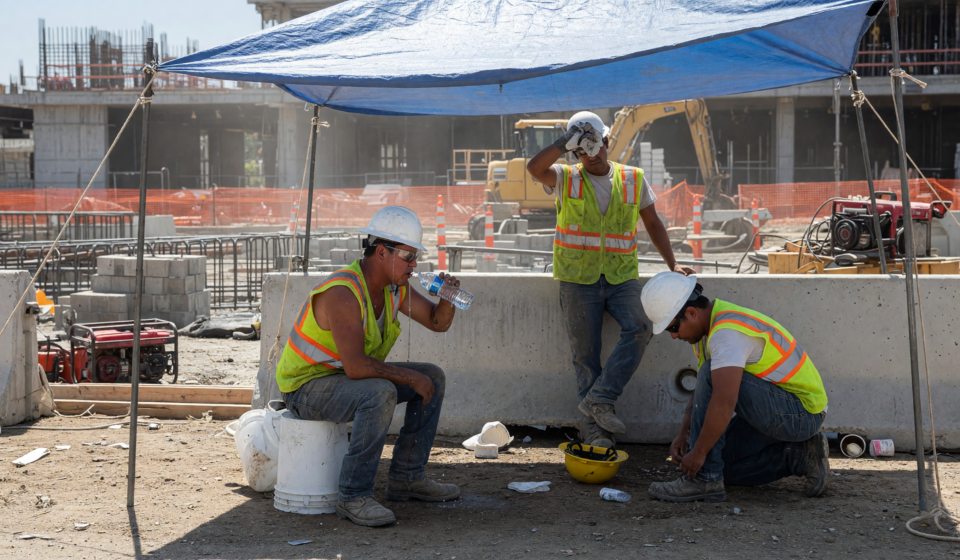
Heat is the leading weather-related killer in the United States, and much of that toll falls on people at work. Yet there is currently no specific federal standard that spells out what an employer must do when the temperature climbs. That gap is what OSHA has been trying to close since 2021, and the latest regulatory agenda suggests the effort is moving again rather than being shelved.
What OSHA announced
The July regulatory plan does not create any new obligation on its own. It is a status update that tells the public where a rule sits in the pipeline. According to reporting on the Labor Department’s 2026 plan, OSHA intends to finalize the heat rule it first proposed in 2024 and has scheduled a supplemental notice of proposed rulemaking for December 2026. A supplemental proposal typically lets an agency refine or add to an earlier draft in response to public comments before it writes a final version, which means the door is still open for changes.
The same agenda also flagged a separate Emergency Response rule, aimed at modernizing decades-old fire brigade requirements for firefighters and other emergency responders, with a target of April 2027. The two efforts are distinct, but both reflect OSHA continuing to advance long-running worker safety rulemakings rather than dropping them.
What the proposed heat rule would require
The proposed standard, published in August 2024, would apply to indoor and outdoor work across general industry, construction, maritime, and agriculture. Its centerpiece is a requirement that covered employers write and follow a Heat Injury and Illness Prevention Plan, and it uses two temperature triggers built on the heat index — how hot it actually feels once humidity is factored in.
- Initial heat trigger (80°F heat index): Employers would provide cool drinking water, break areas with shade or air conditioning, and an acclimatization schedule for new or returning workers, along with two-way communication and access to cooling measures.
- High heat trigger (90°F heat index): Additional paid rest breaks, mandatory monitoring for signs and symptoms of heat illness, and hazard alerts reminding workers of the risk and the plan would kick in.
- Drinking water: The draft calls for making at least one quart of cool water per employee per hour available where the triggers are met.
- Acclimatization: New workers would be eased in — limited to roughly a fifth of a normal shift at full intensity on day one, then ramped up over following days so their bodies adjust to the heat.
- Cooling PPE and equipment: The proposal contemplates cooling personal protective equipment, fans, and other engineering controls as part of an employer’s toolkit for keeping workers safe.
Why the OSHA heat standard matters for safety
Heat illness is largely preventable, which is what makes worker deaths from it so frustrating to safety professionals. Heat stroke — the most severe form — is a medical emergency in which the body loses the ability to cool itself, and it can cause organ damage or death within minutes if it is not treated. The measures in the proposed rule are the same low-tech interventions that decades of occupational health research have shown to work: water, rest, shade, a gradual break-in period, and someone paying attention.
A federal standard would matter because it would replace a patchwork. Today, only a handful of states have their own heat rules, and elsewhere OSHA has had to lean on the General Duty Clause — a catch-all requirement to keep workplaces free of recognized hazards — to act after someone is hurt. A specific standard would set clear, enforceable expectations in advance, so both employers and workers know what protection looks like before a heat wave arrives rather than after.
What employers and workers should do now
Because the rule is not final, nothing here is legally required yet under a dedicated heat standard. But the hazard is real every summer, and the proposed measures are considered best practice regardless of what the final regulation says. Waiting for a rule to be published is not a heat plan.
What to do. Employers can get ahead of a final rule by putting a written heat plan in place now: schedule water and rest breaks, provide shade or cooled break areas, acclimatize new and returning workers over their first week, train supervisors and crews to spot heat exhaustion and heat stroke, and know that heat stroke — confusion, hot and dry or heavily sweating skin, and collapse — means calling 911 immediately.
Workers, for their part, should speak up early. Dizziness, nausea, a pounding headache, or muscle cramps are warning signs, not something to push through. Drinking water before you feel thirsty and telling a supervisor when you feel unwell are the simplest ways to keep a rough afternoon from turning into a hospital visit.
Context and what’s next
OSHA published its proposed heat rule in the Federal Register on August 30, 2024. The initial public comment period closed on January 14, 2025, and the agency held an informal public hearing that ran from June 16 through early July 2025, with a post-hearing comment window that stayed open into late October 2025. The rulemaking then went quiet for months, which fueled questions about whether it would survive. The July 2026 regulatory plan, and the December supplemental proposal it flagged, are the strongest recent indication that OSHA still intends to finish the job.
None of this is a done deal. A supplemental proposal will likely reopen debate over how strict the triggers should be and how much the plan will cost smaller employers, and a final rule could still be months or years away. For now, the practical takeaway is unchanged: the science on preventing heat illness is settled, and employers do not need to wait for a regulation to act on it.
Disclaimer. This article is for general informational purposes only and is not legal, medical, or safety-compliance advice. Regulatory timelines and requirements can change; employers should consult OSHA’s official rulemaking materials and a qualified safety or legal professional before making compliance decisions. If you or a coworker shows signs of heat stroke, call 911 immediately.
Sources: OSHA Heat Injury and Illness Prevention Rulemaking; EHS Leaders: OSHA Reveals Plans for Final Heat Illness, Emergency Response Rules (July 14, 2026); Federal Register: Heat Injury and Illness Prevention proposed rule; AlertMedia: OSHA Heat Regulations — What Employers Need to Know; Ogletree Deakins: OSHA’s Heat Program to Expire While Heat Standard Stalls.