
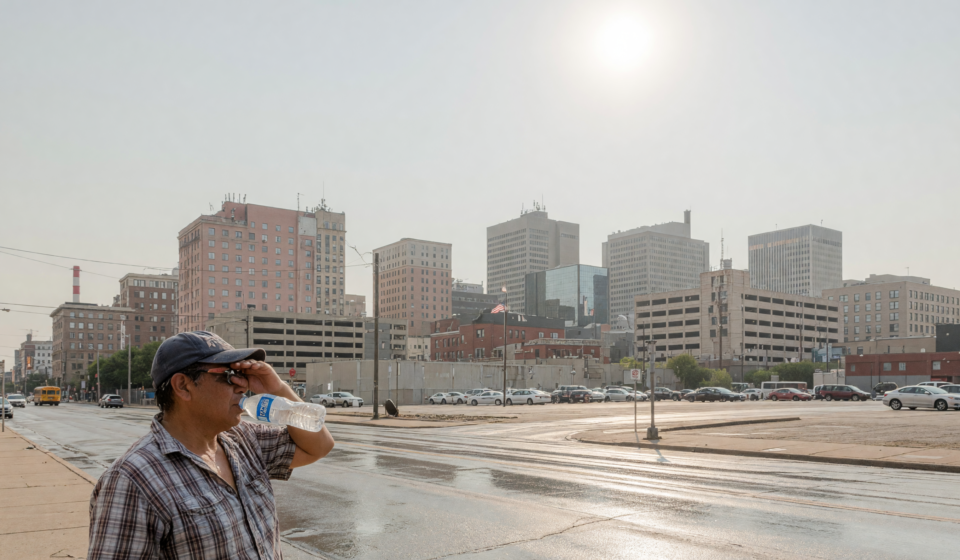
Extreme Heat Grips the U.S. as a Record Heat Dome Bakes Millions: Your Heat-Safety Guide
UNITED STATES — July 18, 2026. A sprawling, record-breaking heat dome has punished large stretches of the country through mid-July, driving triple-digit temperatures from the Great Basin across the Northern Plains and pushing dangerous heat toward the Upper Midwest and Northeast. With around 100 million Americans facing extreme temperatures at the peak of this event, according to National Weather Service guidance, extreme heat safety is no longer a seasonal footnote — it is the difference between a hot week and a medical emergency. This report pairs what forecasters have verified with the heat-safety steps public-health agencies want every household and worksite to follow right now.
What’s happening
This is the second major heat dome to settle over the United States in the summer of 2026. The National Weather Service described it as the first widespread, significant heat wave of the season for parts of the Mountain West, Northern Plains, and Upper Great Lakes, with temperatures running 15 to 25 degrees above normal across many areas. The NWS Weather Prediction Center warned of “dangerous and record-breaking heat” persisting through at least midweek, and forecasters said the event would be “exceptionally rare for some locations and produce numerous daily, monthly, and some all-time high temperature records.”
Those records are already falling. Billings, Montana, hit 111°F on July 12, breaking its all-time high of 107°F set in 2002. Salt Lake City reached 109°F the same day, tying for the second-hottest temperature recorded there since 1874. Forecasters flagged International Falls, Minnesota — a town better known for winter cold — as a candidate to reach 100°F for the first time since 1923. Just as dangerous as the daytime highs are the warm overnight lows, which deny the body the overnight cool-down it needs to recover. The earlier, late-June 2026 heat episode was linked to dozens of deaths, a sobering reminder of what a prolonged heat dome can do.
Who is most at risk
Heat does not strike everyone equally. The Centers for Disease Control and Prevention identifies several groups who face the highest danger during an event like this and who deserve extra attention from family, friends, and coworkers.
- Older adults: People 65 and older regulate body temperature less efficiently and may not feel thirsty until dehydration has set in.
- Infants and young children: The NWS notes young children and infants are particularly vulnerable to heat-related illness and death.
- People with chronic conditions: Heart disease, asthma, and other illnesses — and some medications — raise the risk.
- Pregnant women: Pregnancy adds physiological strain that heat compounds.
- Outdoor workers and athletes: Prolonged exertion in the sun accelerates heat stress, especially early in a heat wave before the body has acclimatized.
Spotting heat exhaustion vs. heat stroke
Knowing the difference between heat exhaustion and heat stroke can save a life, because the two demand very different responses. According to the National Weather Service, heat exhaustion tends to bring heavy sweating; cool, pale, clammy skin; a fast, weak pulse; muscle cramps; dizziness, nausea, or vomiting; headache; and fainting. The response: move the person to a cooler, air-conditioned space, loosen their clothing, apply cool wet cloths or have them sit in a cool bath, and offer small sips of water. Seek medical care if symptoms last longer than an hour or the person is vomiting.
Heat stroke is the far more dangerous escalation. Warning signs include a throbbing headache, confusion, slurred speech, a body temperature above 103°F; hot, red, dry or damp skin; a rapid, strong pulse; and loss of consciousness. The NWS is explicit: heat stroke is a severe medical emergency. Move the person to a cool place and work to lower their body temperature with cool cloths or a bath — but do not give fluids to someone who is disoriented or unconscious.
Heat stroke is a 911 emergency. If someone has hot skin, a very high body temperature, confusion, or has passed out, call 911 immediately and begin cooling them while you wait. Every minute counts.
How to practice extreme heat safety right now
The guidance from the CDC, NWS, and OSHA converges on a handful of simple, high-impact habits. During a heat dome, they are worth treating as non-negotiable.
- Hydrate before you’re thirsty: Carry and refill a water bottle throughout the day, and limit sugary, caffeinated, and alcoholic drinks. Urine that is light yellow or clear signals you’re keeping up.
- Find real cooling: Air conditioning is the most effective protection. If your home lacks it, use a public cooling center — you can dial 2-1-1 to locate one. Note that fans lose their benefit once temperatures top about 90°F, when they can actually add heat stress.
- Shift the schedule: Move strenuous outdoor work and exercise to the early morning or evening, take frequent breaks in the shade, and follow the OSHA “Water. Rest. Shade.” rhythm.
- Dress for it: Choose loose, light-colored, breathable clothing, and use hats and sunscreen to reduce solar load.
- Check on the vulnerable: Call or visit older relatives, neighbors who live alone, and anyone with chronic illness — ideally twice a day during the worst of the heat.
Workers on outdoor safety crews, construction sites, and utility jobs face particular exposure. Employers should build in acclimatization time for anyone new or returning to the job, keep cool water within easy reach, and train supervisors to recognize the early signs of heat illness before they escalate. A breathable, moisture-wicking cooling towel or an insulated hydration bottle — [affiliate product placeholder: cooling/hydration gear] — can make a genuine difference on a long shift, but no gear replaces shade, water, and rest.
The hot-car danger
No heat-safety message is more urgent than this one: never leave a child or a pet in a parked vehicle, not even for a minute. A car’s interior can turn lethal astonishingly fast — the NWS warns children can succumb in as little as 10 minutes, and 31 children died in hot cars in the United States in 2025, with deaths recorded from April through December. Cracking a window does not stop the buildup of heat.
Make prevention automatic. Put a phone, bag, or left shoe in the back seat so you must open the rear door before walking away. Keep vehicles locked at home so curious children can’t climb in unseen. And if you ever spot a child or animal alone in a hot car and in distress, call 911 right away.
This heat dome will ease, as they all eventually do, but forecasters expect elevated temperatures to linger in parts of the country and additional waves are likely before summer ends. Building these habits now — hydration, cooling, and looking out for one another — is the most reliable protection until the pattern breaks.
Disclaimer
This article is for general information and is not medical advice. Heat stroke is a life-threatening medical emergency — call 911 immediately if you suspect it. Always follow the latest local warnings and instructions from the National Weather Service and your local emergency officials, and consult a medical professional for guidance specific to your health.
Sources: NWS Heat Safety; NWS Heat-Related Illness; CDC Heat & Health; The Watchers: Record-breaking heat to peak through July 14; Straight Arrow News: 100 million Americans face dangerous heat.