ATV Safety Gear: Helmets, Goggles and Riding in Fall Terrain
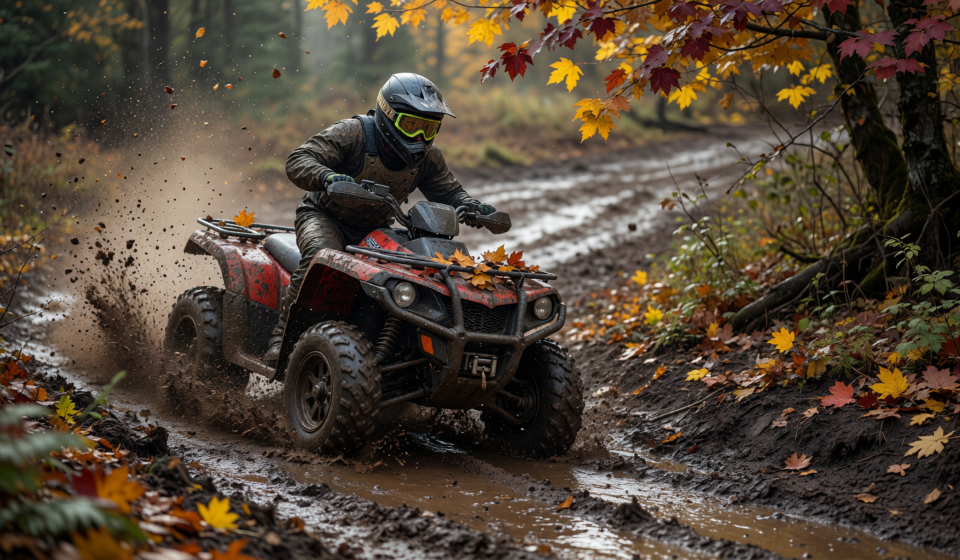
There is a specific kind of quiet on a fall trail. The engine ticks, the air smells like wet earth and cold leaves, and a carpet of gold hides everything underneath it: roots, ruts, slick rock, and the occasional stump that has been waiting there since summer. Autumn is arguably the best time of year to ride, and it is also the season that punishes riders who show up in a hoodie and sunglasses. The right ATV safety gear is what stands between a great day out and a long, cold walk back to the truck, so it is worth understanding not just what to wear, but why each piece earns its place on your body.
This guide walks through the core kit for four-wheeler riders in the United States: DOT-certified helmets, goggles and eye protection, gloves, over-the-ankle boots, protective layers, and chest and body armor. We will lean on the standards and guidance that actually matter here, from the U.S. Consumer Product Safety Commission (CPSC) to the federal helmet standard enforced by NHTSA, and we will spend extra time on how fall terrain changes the math. The goal is simple: help you build a gear setup that makes sense for the way autumn trails really behave.
Why a DOT-Certified Helmet Anchors Your ATV Safety Gear
If you buy one thing well, buy the helmet. The CPSC’s long-standing advice for off-highway riders is to always wear a helmet along with other protective gear, and for good reason: the head is the part of you that a fall is least forgiving toward. In the U.S., the meaningful benchmark for a motorized-vehicle helmet is Federal Motor Vehicle Safety Standard (FMVSS) No. 218, the same standard NHTSA applies to motorcycle helmets. A helmet built to that standard has to absorb impact energy, resist penetration, and stay on your head through a crash, rather than simply looking the part.
You can verify a certified helmet without any special tools. NHTSA describes a genuine DOT label on the back of the helmet reading, in effect, the manufacturer or brand, model, “DOT,” “FMVSS No. 218,” and “CERTIFIED.” Beyond the sticker, compliant helmets share a family resemblance that novelty lids do not.
- Real thickness: A certified helmet carries roughly an inch of firm protective liner, not a thin foam shell you can squeeze flat.
- Honest weight: Full protection tends to weigh in around three pounds; a “helmet” that weighs a pound or less is a warning sign, not a feature.
- A serious chin strap: Look for a sturdy strap solidly riveted to the shell, because a helmet only works if it is still on your head when you land.
- Minimal protrusions: Spikes and thick decorative add-ons are red flags NHTSA associates with helmets that do not meet the standard.
For trail riding, most people choose a full-face or off-road style helmet with a chin bar, which adds face and jaw coverage that a half helmet simply cannot. Whatever style you pick, fit is non-negotiable: the helmet should sit level, hug your cheeks, and not rock forward or sideways when you shake your head.
👉 Shop DOT-certified full-face/off-road ATV helmet on Amazon (Ad — as an Amazon Associate, we earn from qualifying purchases.)
Goggles and Eye Protection for Fall Conditions
An open-face or off-road helmet leaves your eyes exposed, and that is exactly why the CPSC lists eye protection right alongside the helmet. On a moving ATV, your eyes are under constant assault from wind, dust, flung mud, low branches, and the roost thrown up by anyone riding ahead of you. A single flying pebble or thorn at trail speed is enough to end the ride, or worse. Goggles are the answer because, unlike ordinary sunglasses, they seal around your eyes and stay put over rough ground.
Fall adds its own wrinkles. Cool, damp mornings fog lenses quickly, and the low autumn sun sits right at eye level as it drops through bare trees. A few features earn their keep this time of year.
- Anti-fog and ventilation: Vented foam and an anti-fog coating keep your vision clear when warm breath meets cold air.
- Impact-rated lenses: Shatter-resistant lenses are built to take a rock strike that would shatter everyday eyewear.
- Interchangeable tints: A clear or low-light lens is a genuine safety upgrade for overcast fall afternoons and early dusk, while a tinted lens handles bright, leaf-filtered glare.
- Tear-offs or a roll-off system: In wet, muddy conditions, being able to clear the lens without stopping keeps your eyes on the trail.
👉 Shop anti-fog off-road ATV goggles on Amazon (Ad — as an Amazon Associate, we earn from qualifying purchases.)
Gloves, Boots, and the Layers That Keep You Riding
After the head and eyes, the CPSC’s short list keeps going for a reason: gloves, over-the-ankle boots, long pants, and a long-sleeved shirt. These are not comfort items, they are your second skin. Hands are almost always the first thing to hit the ground in a spill, and they are also gripping the bars all day. A good pair of riding gloves protects your palms and knuckles, cuts down on blisters and vibration fatigue, and, in fall temperatures, keeps your fingers warm enough to actually work the throttle and brakes.
Boots are just as important and often overlooked. Sturdy over-the-ankle boots protect your feet and ankles from impacts, from the footpegs, and from the machine itself if it comes down in a tip-over. They also give you secure footing when you dismount onto wet leaves or mud. Skip the sneakers; a low shoe offers your ankle no support and nothing to stop a twist on uneven ground.
Autumn is where layering becomes a safety issue rather than a comfort one. A rider who is shivering is a rider whose reaction time and grip strength are fading, and cold, stiff hands make mistakes. Dress in layers you can add or shed as the day warms.
- Base layer: A moisture-wicking layer moves sweat away so you do not get chilled when you slow down or stop.
- Insulating mid-layer: A fleece or light insulated layer traps warmth on cold mornings and can come off by midday.
- Abrasion-resistant outer layer: Long sleeves and long pants in tough fabric shield your skin from brush, roost, and slides, which the CPSC recommends as standard.
- Wind and water resistance: A shell that blocks wind and light rain matters a lot when trails are damp and the temperature drops in the shade.
👉 Shop ATV riding gloves and over-the-ankle boots on Amazon (Ad — as an Amazon Associate, we earn from qualifying purchases.)
Chest Protectors and Body Armor
Once the essentials are covered, the next tier of protection guards your torso and joints. A chest protector, sometimes called roost armor, shields your chest, back, and shoulders from flying debris and from the ground in a fall. For riders who push the pace or ride technical, rocky fall terrain, a protector paired with elbow and knee guards is a reasonable step up. These are the same categories of gear you see on any serious off-road course, and they exist because the torso and joints take a real beating when a ride goes wrong.
Gear only works when it fits. A helmet that rocks loose, goggles that leave gaps, or armor that shifts on impact cannot do their job. Try everything on together the way you will actually wear it, and adjust straps until each piece stays put when you move.
You do not have to buy every category at once. Build outward from the helmet and eye protection, add gloves and boots, then layer in torso and joint protection as your riding gets more demanding. The point is to match your armor to the trails you actually ride, not to the ones in the catalog photos.
👉 Shop ATV chest protector and knee/elbow guards on Amazon (Ad — as an Amazon Associate, we earn from qualifying purchases.)
What Changes When You Ride Fall Terrain
Autumn trails look softer than they are. That layer of fallen leaves is beautiful, and it is also a blindfold laid over the ground. Leaves hide roots, rocks, holes, and downed limbs, and when they get wet they turn into a slick, low-traction surface over hardpack. A line you would read instantly in summer becomes a guessing game in October, which is precisely when good gear and a cautious throttle hand matter most.
The season stacks a few hazards on top of one another, and each one argues for slowing down and gearing up.
- Reduced traction: Wet leaves, mud, and morning frost cut grip, so braking distances grow and slides come with less warning.
- Hidden obstacles: Leaf cover conceals ruts and stumps, making a body-armor setup and a careful pace more valuable than usual.
- Shorter daylight: Autumn days end early, and a ride that started in sun can finish in dusk, so plan your loop to be off the trail before dark.
- Cold and wet: Falling temperatures sap dexterity and focus, which is why warm gloves and proper layers are safety equipment, not luxuries.
- Low sun angle: The autumn sun sits low and glaring; a clear or low-light goggle lens helps you keep reading the trail into the evening.
None of this means fall riding is dangerous by nature. It means the margin for error is thinner, and the rider who respects that, by slowing down and wearing the right kit, is the one who keeps enjoying the best season on the trail.
Training and the Habits That Make Gear Count
Gear reduces the cost of a mistake, but training reduces the number of mistakes in the first place, and the two work best together. The CPSC urges every rider to get hands-on training from a qualified instructor, and formal ATV rider courses are widely available across the country. A course teaches you how to weight the machine, brake and turn on loose surfaces, and read terrain, all skills that pay off double on unpredictable fall trails.
A handful of CPSC safety habits round out the picture, and they cost nothing.
- One rider, one machine: Most ATVs are designed for a single rider, so never carry more passengers than there are seats.
- Stay off paved roads: ATVs handle poorly on pavement; ride public roads only to cross where the law permits.
- No alcohol: Avoid drinking before or during a ride, since impairment and rough terrain are a bad match.
- Right-sized machines for kids: Riders under 16 should only operate age-appropriate youth models, never adult-size ATVs.
- Tell someone your plan: On short fall days, let a friend know your route and expected return time.
The Bottom Line
Fall is the reward at the end of a riding season, and the way to keep earning it is to take your gear as seriously as your machine. Start with a DOT-certified helmet that actually fits, seal your eyes behind good goggles, and cover your hands, feet, and skin the way the CPSC recommends. Add chest and joint protection as your trails get rougher, dress in layers so the cold never dulls your reflexes, and remember that leaf-covered ground is asking you to slow down. Pair all of it with real training and a few common-sense habits, and the best season on the trail stays exactly that: the best, and the safest. Gear up, respect the terrain, and go enjoy the ride.
Disclaimer: This article is provided for general educational purposes only and does not constitute safety, legal, or professional advice. Always follow the instructions and warnings provided by your ATV’s manufacturer and your gear manufacturers, comply with state and local laws, and seek hands-on instruction from a qualified instructor. Riding an ATV carries an inherent risk of serious injury or death; no equipment can eliminate that risk.
Sources: U.S. Consumer Product Safety Commission (CPSC) ATV Safety Information Center; National Highway Traffic Safety Administration (NHTSA) guidance on DOT-certified helmets and Federal Motor Vehicle Safety Standard (FMVSS) No. 218; ATV rider training guidance from the CPSC and recognized ATV rider-course programs.


