Ford Recalls 148,663 Mustangs Over Sudden Loss of Drive Power
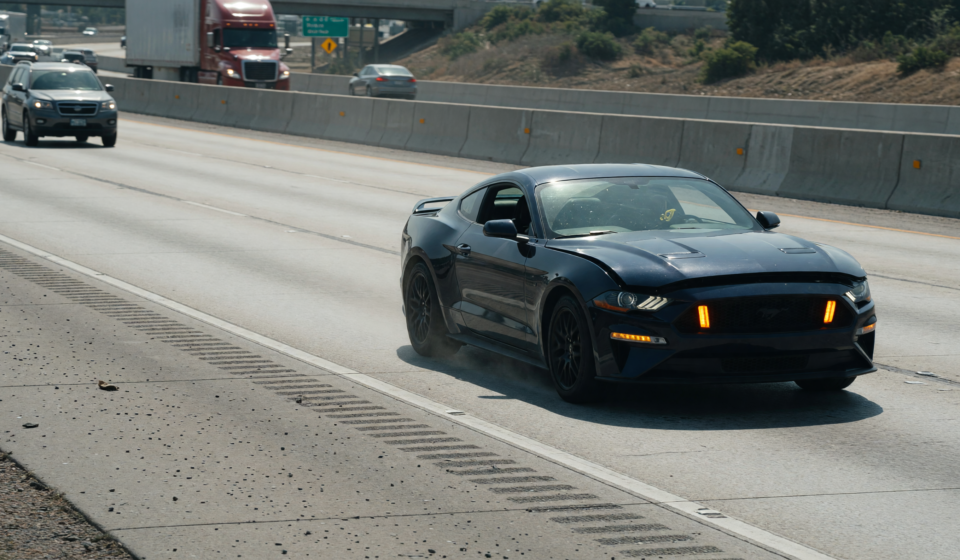
Ford is recalling about 148,663 Mustang sports cars from the 2024 through 2026 model years because an electrical fault in the engine compartment can cut power while the car is being driven. The Ford Mustang recall was posted with the National Highway Traffic Safety Administration (NHTSA) as campaign 26V547 in early September 2026, and Ford began mailing the first owner notifications between August 31 and September 4, 2026. No crashes or injuries have been tied to the defect so far, but federal safety officials warn that a sudden loss of drive power in traffic is exactly the kind of failure that can turn an ordinary commute dangerous.
What happened
The problem sits in the wiring harness that runs through the engine compartment. Over time, vibration can cause a ground terminal to fatigue and fracture. When that connection breaks, the car can lose drive power, and drivers may also lose the headlights, windshield washers, air conditioning, or the engine cooling fan. Any one of those failures is a nuisance; together, and without warning, they can leave a driver stranded in a live lane of traffic or unable to see clearly at night.
The recall covers Mustangs built at Ford’s Flat Rock, Michigan assembly plant between September 7, 2022 and June 9, 2026. Ford estimates that roughly one percent of the recalled cars actually carry the defect, which is a common pattern in recalls: manufacturers cast a wide net to make sure every potentially affected vehicle gets inspected, even though most will turn out to be fine. Ford tracks the campaign internally as reference number 26C40. The remedy is a free replacement of the affected engine-compartment ground terminals at any Ford or Lincoln dealership.
Why it matters for safety
An unexpected loss of drive power is one of the more hazardous failure modes on the road because it removes a driver’s ability to accelerate out of trouble. Merging onto a highway, crossing an intersection, or pulling into moving traffic all depend on predictable power delivery. When that vanishes, the driver has seconds to steer to a safe stop while cars behind them are still moving at speed.
The secondary failures make the situation worse. Losing headlights at night removes the driver’s ability to see and to be seen. A dead cooling fan can let the engine overheat in stop-and-go traffic. Losing the windshield washers cuts visibility in bad weather. None of these systems announces its failure in advance, so a driver may not realize anything is wrong until it happens all at once. That is why NHTSA treats power-loss defects seriously even when no injuries have been reported yet — the absence of a crash today is not a guarantee about tomorrow.
What you should do
- Check your VIN: Go to the NHTSA recall lookup and enter your 17-character Vehicle Identification Number to see whether your specific Mustang is included in campaign 26V547.
- Watch for the letter: Ford started mailing interim notification letters between August 31 and September 4, 2026. A second letter telling you the repair is ready is expected around March 2027.
- Schedule the free fix: The repair — replacing the ground terminals — is performed at no charge at a Ford or Lincoln dealer. There is no cost to you for parts or labor.
- Note the warning signs: Flickering or failing headlights, an intermittent loss of power, or accessories that cut out unexpectedly are worth reporting to your dealer right away rather than waiting.
- Keep your paperwork: If you already paid out of pocket for a repair related to this defect, ask your dealer about Ford’s reimbursement process.
What to do if power cuts out while driving. Stay calm, keep both hands on the wheel, and steer toward the shoulder or nearest safe area. Turn on your hazard lights if they still work, brake smoothly rather than slamming, and get the vehicle as far off the roadway as you can before coming to a stop. Then call your dealer or Ford customer service.
Context and what’s next
This Ford Mustang recall lands during an unusually busy stretch for the automaker and for NHTSA. Ford has filed dozens of separate recall campaigns in 2026 alone, and the agency has logged hundreds of vehicle recalls across all manufacturers this year. A handful of the year’s most serious notices have carried “do not drive” language, though the Mustang wiring campaign is not one of them — owners can keep driving while they wait for the remedy, but should not ignore the letter or any symptoms.
The wiring recall arrived alongside a separate 2026 Mustang engine campaign involving incorrectly manufactured piston domes, so Mustang owners should confirm which notices, if any, apply to their specific vehicle rather than assuming a single fix covers everything. Because the full remedy parts for the wiring campaign are being staged over the coming months, the sensible move is to register your VIN now, confirm your dealer has your current address, and book the appointment as soon as Ford confirms the repair is available. Recalls only protect drivers who act on them, and the fix here is free — the only real cost is the time it takes to get it done.
Disclaimer: This article is for general safety information only and is not legal, mechanical, or professional advice. Recall details, vehicle counts, and timelines can change as manufacturers update their filings. Always verify your vehicle’s status using your VIN through NHTSA or an authorized Ford dealer, and follow the official instructions in your recall letter.
Sources: NHTSA recall lookup (campaign 26V547); CBS News; Forbes; autoevolution.