
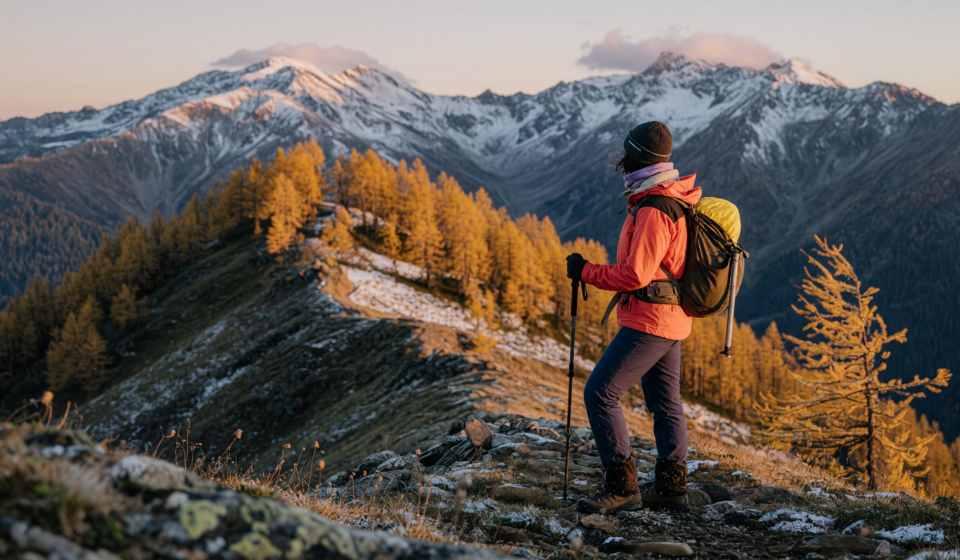
Fall Alpine Layering: Staying Warm and Visible in Shoulder Season
You start the trail at first light with frost crunching underfoot, and by mid-morning you are stripped to a single shirt, sweating on a sunlit switchback. Two hours later a cold front rolls over the ridge, the wind picks up, and a thin rain turns the rock slick and your damp shirt into a liability. That whiplash is the signature of shoulder season, and it is exactly why smart alpine layering is the difference between a great day out and a miserable, even dangerous, one. The mountains in fall do not care that the calendar still says summer down in the valley.
This guide breaks down how to build a fall layering system that handles the full swing of shoulder-season weather. We will cover the logic behind the base layer, midlayer, and shell, why moisture management matters more than raw warmth, how to stay visible when hunting seasons open, and how to adjust your kit on the move so you never overheat or get caught cold. The goal is not to sell you a closet full of gear, but to help you understand alpine layering well enough to make good calls with what is on your back.
Why Shoulder Season Is Deceptively Dangerous
Most people associate hypothermia with deep winter, but fall in the high country is arguably trickier. The temperature spread across a single day can be enormous, and precipitation often arrives as a cold rain rather than dry snow. According to the CDC, hypothermia can set in even at cool temperatures above 40 degrees Fahrenheit when a person becomes chilled by rain, sweat, or immersion. That is the whole ballgame in shoulder season: you are rarely fighting brutal cold, you are fighting the combination of moisture, wind, and a body that has stopped generating heat.
The other trap is daylight. As the season shifts, you lose usable light fast, and a delay that would be trivial in July can leave you finishing in the dark and the cold in September. Layering is not just comfort insurance; it is your primary tool for staying safe when the day runs longer or colder than you planned.
- Wide temperature swings: frosty starts and warm afternoons demand a system you can add to and shed quickly.
- Cold rain over dry snow: wet insulation loses loft and warmth, so staying dry is job number one.
- Shrinking daylight: less margin for error means your layers double as emergency gear.
- Wind exposure: ridgelines and passes strip heat far faster than the valley forecast suggests.
How Alpine Layering Actually Works
The classic three-layer model is not marketing; it is a simple way to divide three separate jobs so no single garment has to do everything. The base layer manages sweat against your skin, the midlayer traps warm air to insulate you, and the shell blocks wind and rain from the outside. When you understand that each layer has one primary role, you stop over-dressing and start building a system that breathes when you climb and protects when you stop.
The magic is in the air. Insulation does not warm you; your body does. Layers work by trapping pockets of still air that your body heats and then holds close. That is why two thinner layers often beat one thick one, and why compressing your insulation with a tight pack strap or soaking it with sweat kills its performance. Think in terms of trapping warm, dry air and letting damp air escape.
Rule of thumb. Start slightly cool. If you are perfectly warm standing at the trailhead, you are overdressed and will be soaked in sweat within twenty minutes. Aim to be comfortable once you are moving, not before.
Base Layers: Manage Moisture First
Your base layer is the most important piece in the system because it sets the tone for everything else. If it holds sweat against your skin, no amount of insulation above it will keep you warm once you stop moving. This is the origin of the old backcountry saying that cotton kills: cotton soaks up moisture, loses all insulating value when wet, and dries painfully slowly, pulling heat from your body the entire time.
Instead, reach for merino wool or a technical synthetic. Merino wicks moisture, resists odor, and retains some warmth even when damp, while synthetics tend to dry faster and cost less. Many shoulder-season hikers keep a lightweight-to-midweight base layer on top and a second dry shirt sealed in their pack for the summit or for the drive home.
- Merino wool: excellent temperature regulation, natural odor resistance, and warmth when damp.
- Synthetics: fast drying, durable, and budget friendly, ideal for high-output days.
- Avoid cotton: it holds water, chills you as it dries, and offers no safety margin when wet.
- Fit matters: a snug next-to-skin cut moves sweat outward far better than a loose one.
👉 Shop merino wool base layer top on Amazon (Ad — as an Amazon Associate, we earn from qualifying purchases.)
Midlayers: Where Your Warmth Lives
The midlayer is your insulation engine, and shoulder season rewards flexibility here more than any other layer. On a cool fall day you may want two lighter options you can mix and match rather than one heavy piece. A breathable fleece or grid fleece works beautifully while you are moving because it dumps excess heat and dries quickly. For rest stops, summits, and belays, a packable synthetic or down puffy adds a big jump in warmth for very little weight.
The key distinction is active insulation versus static insulation. Active layers like grid fleece are meant to be worn while you generate heat and sweat. Static layers like a puffy are meant to go on the moment you stop, trapping the warmth you just built before it escapes. Carrying one of each covers the entire range of a typical fall outing.
- Grid fleece: breathable active insulation for climbing and high-output stretches.
- Synthetic puffy: keeps insulating even when damp, a smart pick for wet fall weather.
- Down puffy: unbeatable warmth-to-weight for dry, cold conditions, but protect it from moisture.
- Layer, do not bulk: two moderate midlayers adapt better than one heavy jacket.
👉 Shop packable synthetic insulated jacket on Amazon (Ad — as an Amazon Associate, we earn from qualifying purchases.)
Shells: Your Defense Against Wind and Rain
Your shell is the outer wall that keeps wind and precipitation from stealing the warmth your other layers work to build. In shoulder season, wind is often the bigger threat of the two. A stiff breeze on an exposed ridge can pull heat away far faster than the ambient temperature suggests, and a lightweight wind shell weighs almost nothing while making a dramatic difference in how warm you feel.
When rain or wet snow is in the forecast, you want a waterproof-breathable hardshell with taped seams and a hood that fits over a hat. Look for pit zips or core vents; being waterproof means little if you cook yourself from the inside because the jacket cannot vent your sweat. Breathability and ventilation are what separate a shell you can hike in from one that turns you into a sauna.
- Wind shell: ultralight and packable, it blunts convective heat loss on exposed terrain.
- Hardshell: waterproof-breathable protection with taped seams for sustained rain and wet snow.
- Ventilation: pit zips and core vents let sweat escape so you stay dry from the inside.
- Helmet-compatible hood: a must for climbers and anyone in rockfall or storm terrain.
👉 Shop waterproof-breathable hardshell jacket on Amazon (Ad — as an Amazon Associate, we earn from qualifying purchases.)
Staying Visible When Hunters Share the Woods
Fall is not only shoulder season for hikers and climbers; it is prime hunting season across much of the United States. Many state wildlife agencies, including the Massachusetts Division of Fisheries and Wildlife, urge all outdoor users, not just hunters, to wear blaze orange during hunting seasons so they are easy to spot in the field. Blaze orange stands out sharply against fall foliage and is difficult to mistake for game, which is exactly the point.
The practical move is to build visibility into your layering system rather than treating it as an afterthought. A blaze orange hat, a vest worn over your shell, or an orange pack cover keeps you conspicuous no matter which layer is on top at the moment. Check the regulations for the specific area and season you are entering, because requirements and hunting dates vary by state and by land manager.
- Blaze orange outer piece: a hat or vest that stays visible regardless of your top layer.
- Cover your pack: an orange cover or panel adds visibility from behind on the trail.
- Know the season: confirm hunting dates and any orange requirements for your specific area.
- Skip earth tones on top: browns, tans, and whites can read as game at a distance.
👉 Shop blaze orange safety hat or vest on Amazon (Ad — as an Amazon Associate, we earn from qualifying purchases.)
Dialing In Your System on the Move
Owning the right layers is only half the equation; the other half is managing them actively throughout the day. The most common mistake is waiting too long to make a change. Shed a layer before you are drenched in sweat, and add one before you get truly cold, because it takes far more energy to re-warm a chilled body than to hold onto heat you already have. Think of yourself as your own thermostat, making small adjustments constantly rather than one big change too late.
Build in the habit of stopping to adjust at natural transitions: the bottom of a big climb, the moment you break above treeline, or the instant you reach a windy summit. Vent zippers, remove or add a hat, and swap your damp base layer for a dry one before a long descent. These small moves keep you in the comfortable middle zone where hypothermia never gets a foothold.
- Adjust early: vent or shed before you sweat, and add insulation before you shiver.
- Layer at transitions: treeline, ridgelines, and summits are natural cues to change.
- Protect the extremities: a warm hat and gloves stop major heat loss for very little weight.
- Keep a dry reserve: a sealed dry base layer is cheap insurance against a cold, wet finish.
The Bottom Line
Shoulder season in the mountains gives you the best of both worlds, quiet trails and crisp air, but it demands respect and a system that can flex with the weather. Master the simple logic of base, mid, and shell, prioritize staying dry over piling on warmth, and make small adjustments early and often. Add a piece of blaze orange so you are seen, keep a dry reserve layer in the pack, and you will move comfortably through the sharpest temperature swings fall can throw at you. Good layering is not about carrying more; it is about carrying the right things and knowing exactly when to use them.
Disclaimer: This article is for general educational purposes only and is not a substitute for professional instruction, current local regulations, or your own judgment in the field. Weather, terrain, and hunting seasons vary widely by location and change over time. Always check current conditions and applicable rules, and seek qualified training before undertaking alpine or mountaineering activities.
Sources: Centers for Disease Control and Prevention (CDC), Preventing Hypothermia and cold-weather guidance; Massachusetts Division of Fisheries and Wildlife (Mass.gov), blaze orange guidance for outdoor users; National Oceanic and Atmospheric Administration (NOAA) / National Weather Service, outdoor weather safety.