
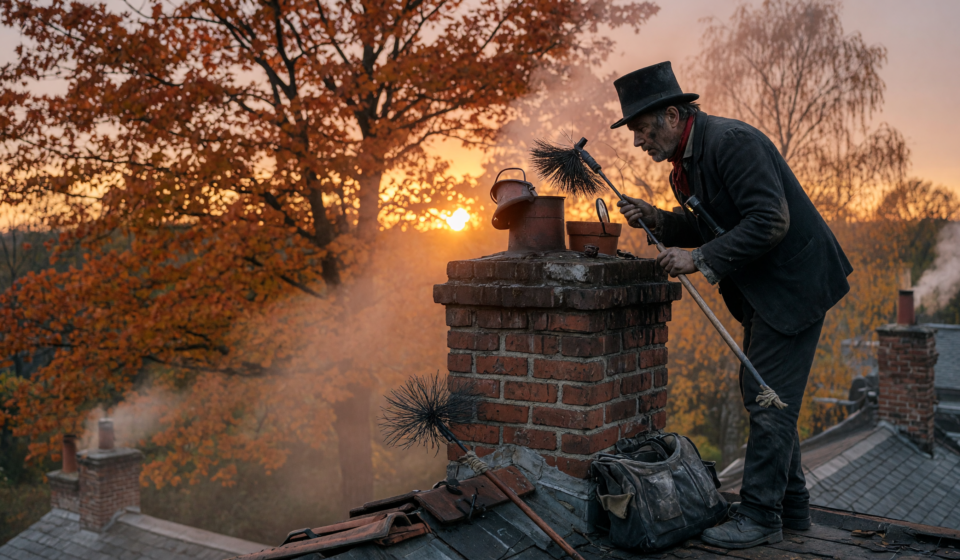
Fireplace and Chimney Safety: Creosote, Screens and Fall Inspections
The first real cold snap of autumn is a familiar cue. You crumple some newspaper, stack a few splits of oak, and touch a match to the kindling for the first fire of the season. It is one of the coziest rituals in the American home, and it is also the moment when months of hidden buildup inside your flue can turn dangerous. A chimney that has not been cleaned or looked at since last winter can carry a hardened, tar-like fuel along its walls, and every fire you light heats it a little closer to ignition. Good chimney safety is not about fear of your fireplace; it is about understanding what happens above the firebox so that your evenings stay warm instead of frightening.
This guide walks you through the whole picture before you light that first fire. We cover what creosote actually is and why it builds up, what the major U.S. standards and agencies recommend for annual inspections, how chimney caps and spark arrestors keep embers and animals in their place, why a proper fireplace screen matters more than most people think, and the personal protective gear that makes a fall cleanup safer. Think of it as a seasonal checklist rooted in real standards rather than folklore, written for homeowners who want to enjoy a wood fire responsibly.
What Creosote Really Is and Why It Builds Up
Every time wood burns, it releases smoke, water vapor, and unburned combustion byproducts. As those gases rise into a relatively cool flue, they condense on the walls and leave behind a residue called creosote. It starts as a light, flaky soot but can layer up into something dark, sticky, and eventually glass-hard. That glazed stage is the most stubborn to remove and the most dangerous, because creosote is highly combustible. When it ignites, the result is a chimney fire that can reach extreme temperatures and crack liners, damage masonry, or spread into the surrounding structure.
Several everyday habits accelerate the buildup, and knowing them helps you burn cleaner all winter:
- Burning unseasoned wood: Green or wet wood produces cooler, smokier fires that leave far more residue than dry, well-seasoned hardwood.
- Restricting airflow: Damping a fire down too far for a long, slow burn keeps flue temperatures low and encourages condensation.
- A cold flue: The colder the chimney walls, the faster combustion gases condense, which is why the tops of unlined or exterior chimneys often collect the most.
- Infrequent use: Occasional short fires may never heat the flue enough to burn off light deposits, so they slowly accumulate.
What the Standards Say About Annual Chimney Safety
You do not have to guess how often to check your chimney. The National Fire Protection Association publishes NFPA 211, the Standard for Chimneys, Fireplaces, Vents, and Solid Fuel-Burning Appliances, and it is the reference point most professionals follow. Its guidance is refreshingly plain: chimneys, fireplaces, and vents should be inspected at least once a year for soundness, freedom from deposits, and correct clearances. In other words, an annual look is the baseline, not a luxury, and it applies even to chimneys you rarely use.
The Chimney Safety Institute of America, or CSIA, builds its homeowner education around that same standard and trains the certified sweeps many homeowners hire. CSIA guidance suggests cleaning a masonry fireplace flue once soot reaches roughly an eighth of an inch of buildup, and sooner if any shiny, glazed creosote is present. The reason inspection and cleaning go together is simple: an inspection tells you whether you have a problem, and a sweep removes it. Fall is the natural time to schedule both, before the heating season puts your system to daily work.
Rule of thumb. If you cannot remember the last time your chimney was inspected, treat this fall as the year to do it. NFPA 211 calls for an annual inspection regardless of how much you burned, because deterioration, animal nests, and blockages can develop even during a quiet season.
Understanding the Three Inspection Levels
Not every inspection is the same, and NFPA 211 defines three levels so you and your sweep can match the depth of the check to the situation. Knowing the difference helps you understand what you are paying for and when a more thorough look is warranted.
- Level 1: The routine annual check for a system in continued service under the same conditions. The technician examines readily accessible portions of the chimney, flue, and connections for soundness, deposits, and obstructions.
- Level 2: A more detailed inspection required when something changes, such as a new appliance, a property sale, or after an event like a chimney fire or earthquake. It typically includes video scanning of the flue interior and checks of accessible attic and crawl space areas.
- Level 3: The most invasive inspection, used when a serious hazard is suspected. It may require removing components or portions of the structure to reach concealed areas.
For most households burning wood the same way each year, a Level 1 inspection paired with a cleaning is the annual routine. Hiring a CSIA-certified professional is worth it here, because a trained eye catches cracked liners, failing mortar joints, and clearance problems that a quick glance up the firebox never reveals.
Chimney Caps and Spark Arrestors
At the very top of your chimney, a cap does quiet but important work. A good chimney cap keeps rain, snow, leaves, and curious animals out of the flue, all of which cause moisture damage, blockages, and odors. When that cap includes a metal mesh screen, it doubles as a spark arrestor, catching burning embers before they can drift onto your roof or into dry surroundings. In wildfire-prone regions this is not optional cosmetic hardware but a genuine ignition barrier for your home and neighborhood.
Building codes address this directly. The International Residential Code, published by the International Code Council and adopted across much of the United States, includes spark arrestor provisions that specify a corrosion-resistant mesh sized within a defined range so it stops embers without choking the draft. Some fire-prone states go further: California and Oregon, for example, commonly require a tighter mesh opening than the general default. Always confirm the exact requirement with your local building or fire authority, since adopted codes vary by jurisdiction.
👉 Shop stainless steel chimney cap with spark arrestor mesh on Amazon (Ad — as an Amazon Associate, we earn from qualifying purchases.)
- Material matters: Stainless steel and copper caps resist the corrosion that flue gases and weather inflict on cheaper galvanized metal.
- Mesh size is a balance: Openings must be small enough to trap embers yet open enough to let smoke escape freely, which is why codes specify a range rather than the smallest possible screen.
- Keep it clear: Spark arrestor screens can clog with soot and creosote over time, so they are part of what a sweep should check and clean each year.
Fireplace Screens and the Hearth Zone
If the cap guards the top of the system, the screen guards the front. An open fire throws sparks and the occasional popping ember well past the firebox, and a sturdy fireplace screen is the barrier that keeps those from reaching a rug, a curious pet, or a child. The U.S. Consumer Product Safety Commission and fire safety educators consistently emphasize keeping anything flammable well back from an open flame and using a screen or glass doors whenever a fire is burning. It is one of the simplest, cheapest safety upgrades you can make.
Think of the area in front of your fireplace as a hearth zone that deserves its own rules. A little discipline here prevents the majority of household fireplace mishaps:
- Maintain clearance: Keep furniture, drapes, firewood, and decorations at a safe distance from the opening, and never store kindling on the hearth while a fire burns.
- Use a full-coverage screen: A mesh curtain or freestanding panel screen should cover the entire opening, not just part of it.
- Handle ash safely: Coals can stay hot for days, so shovel ashes into a metal container with a lid and store it outdoors on a noncombustible surface, away from the house.
- Watch the little ones: Glass doors and metal surfaces stay dangerously hot long after the flames die down.
👉 Shop fireplace safety screen and metal ash bucket on Amazon (Ad — as an Amazon Associate, we earn from qualifying purchases.)
Personal Protective Gear for the Fall Cleanup
Even if you leave the flue itself to a professional, the seasonal cleanup around the firebox and hearth is a job most homeowners tackle themselves. Soot and creosote dust are messy and irritating, and the components you are handling can be sharp or still warm. A little protective gear turns an unpleasant chore into a manageable one and keeps fine particulate out of your lungs and eyes.
- Respiratory protection: A NIOSH-approved N95 or half-mask respirator keeps fine soot and creosote dust out of your airways during cleanup and ash removal.
- Eye protection: Sealed safety goggles guard against airborne particles when you sweep the firebox or brush the smoke shelf.
- Hand protection: Heavy-duty work gloves protect against soot, sharp metal edges on caps and grates, and lingering heat.
- An ash vacuum: A vacuum rated specifically for fine ash and cold coals contains the dust far better than sweeping, which sends it airborne.
👉 Shop N95 respirator, safety goggles and heavy-duty work gloves on Amazon (Ad — as an Amazon Associate, we earn from qualifying purchases.)
One caution worth repeating: roof work is genuinely hazardous. If inspecting or cleaning the cap means climbing onto a steep or slippery roof, that is a strong argument for hiring a professional who is equipped with proper fall protection and trained to work at height. No cap cleaning is worth a serious fall.
Carbon Monoxide: The Invisible Risk
Chimney safety is not only about flames and embers. A blocked or poorly drafting flue can push carbon monoxide, an odorless and colorless gas, back into your living space instead of venting it outdoors. That is exactly why annual inspections check for obstructions like animal nests and heavy creosote in the first place. The National Fire Protection Association recommends carbon monoxide alarms in the home, and pairing working CO alarms with your smoke alarms is a critical backstop for any home with a fuel-burning appliance.
- Install alarms on every level: Guidance generally calls for CO alarms on each floor and outside sleeping areas so a warning reaches you at night.
- Test and replace: Test alarms regularly, replace batteries as directed, and swap out CO alarms at the end of their rated service life.
- Never ignore a draft problem: Smoke spilling into the room or a fire that will not draw properly can signal a blockage that also traps carbon monoxide.
👉 Shop combination smoke and carbon monoxide alarm on Amazon (Ad — as an Amazon Associate, we earn from qualifying purchases.)
The Bottom Line
A wood fire rewards a little respect. The through-line of every recommendation here is the same: know what is building up inside your flue, get eyes on it once a year before the season starts, and put simple barriers between the fire and everything you care about. NFPA 211 sets the annual inspection as the baseline, CSIA-certified sweeps do the hands-on work, a proper cap and spark arrestor guard the top, a full-coverage screen guards the front, and working carbon monoxide alarms guard against the danger you cannot see. Add a bit of protective gear for the parts you handle yourself, and the whole system stays on your side. Do the fall checklist once, and you can light that first match knowing the cozy part of the ritual is the only part you will have to think about all winter.
Disclaimer: This article is provided for general educational purposes only and does not constitute professional, safety, or code-compliance advice. Building codes, spark arrestor requirements, and inspection rules vary by jurisdiction and change over time. Always confirm current requirements with your local building or fire authority and hire a qualified, certified professional for chimney inspection, cleaning, and any work performed at height.
Sources: National Fire Protection Association (NFPA 211, Standard for Chimneys, Fireplaces, Vents, and Solid Fuel-Burning Appliances; and carbon monoxide safety guidance); Chimney Safety Institute of America (CSIA homeowner resources and inspection guidance); International Code Council (International Residential Code spark arrestor provisions); U.S. Consumer Product Safety Commission (home fireplace and heating safety guidance).


