
Amana Through-the-Wall Air Conditioners and Heat Pumps Recalled Over Fire Hazard
HOUSTON, September 3, 2026 — If you cool a room with a wall-mounted Amana unit, the latest Amana air conditioner recall deserves a close look before you flip the switch again. The U.S. Consumer Product Safety Commission (CPSC) and Daikin Comfort Technologies Manufacturing announced on September 3, 2026 the recall of roughly 4,633 Amana through-the-wall (TTW) air conditioners and heat pumps because an internal component can catch fire. Under recall number 26-734, the agency says an electrical part called the snubber circuit “can emit flames if it shorts, posing a risk of serious injury due to fire hazard.” Importantly, this is a stop-use recall with a full refund — there is no repair kit, so the fix is to take the unit out of service.
What happened
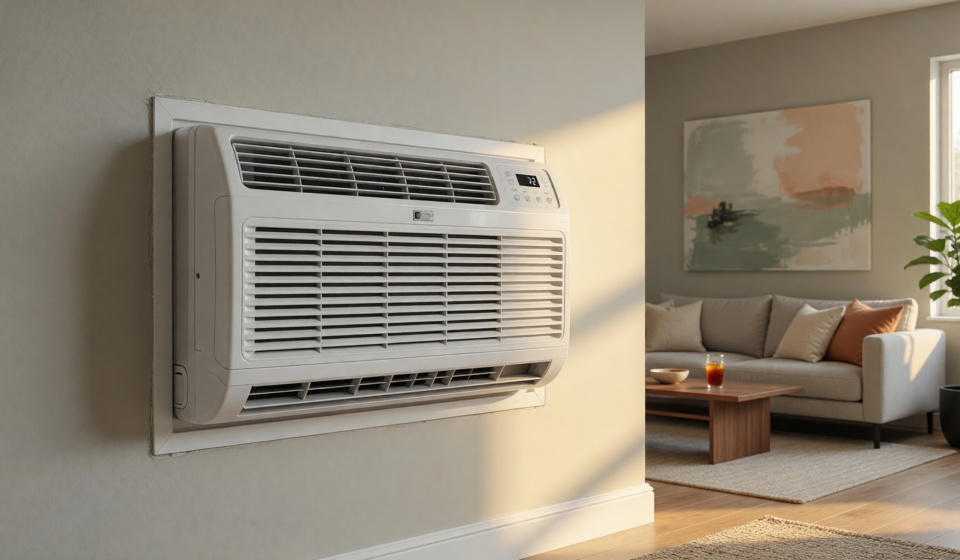
The recall covers Amana-branded through-the-wall air conditioners and heat pumps whose model numbers begin with the letters PB. According to the CPSC notice, the affected models include the air conditioners PBC092J00AA, PBC093J00AA, PBC122J00AA and PBC123J00AA, along with the heat pump PBH092J12AA. These are the boxy, self-contained units that slide into a metal sleeve built into an exterior wall — a design you see constantly in apartments, condos, hotels, dorms, assisted-living facilities and small offices rather than in windows.
Daikin sold the units nationwide through direct sales and distribution customers from April 2025 through June 2026, at prices between $625 and $900. About 126 additional units were sold in Canada. The company received two reports of the control-board component shorting. No injuries have been reported, which is exactly the point of acting on a recall early: the CPSC and manufacturers issue these notices to get products out of service before a defect turns into an injury, not after.
Why the Amana air conditioner recall matters for safety
A snubber circuit is a small protective network on the control board that is supposed to absorb voltage spikes and keep other components from being damaged when the unit switches on and off. When that circuit shorts instead of doing its job, it can overheat to the point of emitting flames — and it does so inside a sealed appliance that is bolted into a wall and often left running unattended for hours at a time, including overnight. That combination is what elevates a small electronics fault into a genuine fire risk.
Through-the-wall units carry an added wrinkle the average consumer product does not. Because they are common in rental and hospitality settings, the person sleeping a few feet from the unit is frequently not the person who bought it. A tenant or hotel guest may have no idea a recall exists, which puts the responsibility squarely on landlords, property managers and facilities teams to identify and pull affected models. A single recalled unit in a busy building can expose a lot of people.
- The defect: A snubber circuit on the control board can short and emit flames.
- The models: Amana TTW units with model numbers starting with PB, including PBC092J00AA, PBC093J00AA, PBC122J00AA, PBC123J00AA and heat pump PBH092J12AA.
- The scale: About 4,633 units in the U.S., plus roughly 126 in Canada.
- The remedy: A full refund — there is no repair kit, so the unit must be taken out of service.
What to do. Stop using the recalled unit immediately, then contact Daikin at 833-730-0939 or through amana-ptac.com to start a refund. You will be asked to cut the power cord and send a photo of the cut cord and the serial number before the refund is issued.
What you should do
First, find the model number. On through-the-wall units it is printed on a rating label, usually on the side of the chassis or behind the front grille; you may need to pop off the plastic front panel to read it. If the number begins with PB and matches one of the recalled models, stop using the unit right away and switch it off at the breaker if you can, rather than leaving it plugged in and idle.
Next, contact Daikin Comfort Technologies to claim the refund. The company has set up a dedicated line at 833-730-0939, open 8 a.m. to 5 p.m. Central Time, Monday through Friday, and a recall page at amana-ptac.com (look for the “Product Recall” link). To receive the refund you will need to provide your contact information, cut the unit’s power cord, and submit a photo showing both the serial number and the cut cord — a common CPSC step that confirms the recalled unit has been permanently disabled so it cannot be resold or reused.
If you rent your home or manage a building, do not assume someone else has handled it. Renters should notify their landlord or property manager in writing and ask whether their wall unit is affected; owners and facilities managers should check maintenance records against the recalled model list and pull any matching units from service now, not at the next seasonal check. Never try to repair the control board yourself — the manufacturer is not offering a fix precisely because the safe outcome here is removal, not a patch.
Context and what’s next
Electrical faults in packaged and through-the-wall HVAC equipment are a recurring theme in CPSC filings, and Daikin’s Amana line has been the subject of earlier fire-related recalls in recent years covering different product families and defects. The pattern is a useful reminder that heating and cooling gear is not “set it and forget it” hardware: because these units run for long stretches, draw significant current and sit inside walls, a defect that might be minor in a smaller gadget can become a serious hazard.
For everyone else, this recall is a good prompt to build two quick habits. Register new appliances with the manufacturer when you buy them so recall notices reach you directly, and make sure working smoke alarms are installed near sleeping areas and anywhere a large appliance runs unattended. Neither step is dramatic, but together they close the gap between the day a recall is announced and the day it actually reaches the person in the room.
Disclaimer: This article is for general safety information only and is not a substitute for the official recall notice or professional advice. Details such as model numbers, remedies and contact information can change after publication. Always confirm current guidance directly with the CPSC and Daikin Comfort Technologies before acting.
Sources: CPSC Recall 26-734 — Amana Through-The-Wall Air Conditioners and Heat Pumps; CPSC Recalls & Product Safety Warnings; Amana PTAC / Daikin Comfort Technologies recall information.