Lightweight Summer Hi-Vis: Breathable Fabrics That Keep Workers Cool
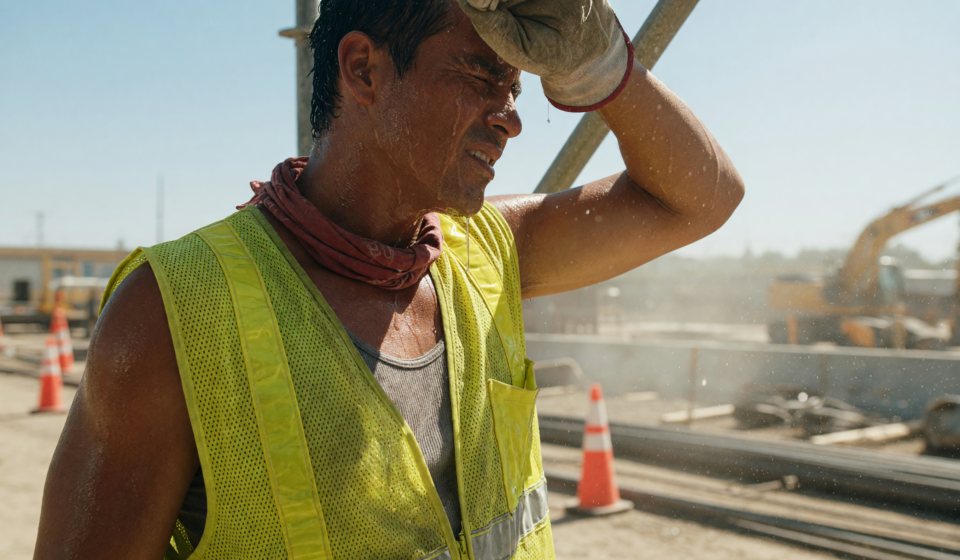
By late August on a highway work zone, the asphalt can radiate heat long after the sun clears the horizon, and the crew flagging traffic is wrapped in fluorescent yellow-green from collar to waist. That garment is doing its most important job, keeping workers visible to drivers, but a heavy, non-breathable version can also trap body heat right when the risk of heat exhaustion is highest. Every summer, employers wrestle with the same tension: the same vest that saves a life on the shoulder of the road can become a liability once the heat index climbs.
The good news is that you no longer have to choose between visibility and comfort. This guide walks through lightweight summer hi-vis and the breathable hi-vis fabrics that keep workers cooler without sacrificing compliance. We will cover how moisture-wicking and mesh constructions actually manage heat, what the ANSI/ISEA 107 standard requires of any high-visibility garment, how OSHA heat rules fit into the picture, and what to look for when you are outfitting a crew for July and August. The goal is simple: help you buy gear that keeps people both seen and safe.
Why Breathable Hi-Vis Matters When the Heat Climbs
High-visibility clothing exists because human beings are hard to see against a busy, cluttered background, especially near moving vehicles. That need does not go away in summer, so workers keep their hi-vis on through the hottest months of the year. The problem is that traditional garments were often built from dense polyester that holds heat close to the body. When a worker cannot shed that heat, core temperature creeps up, and the early signs of heat illness, such as heavy sweating, fatigue, and dizziness, can set in before anyone notices. Breathable hi-vis is the design answer: it keeps the required fluorescent color and reflective striping while letting air move and sweat evaporate.
It helps to think of a summer hi-vis garment as doing two jobs at once. It has to be loud enough to catch a driver’s eye, and it has to work with the body’s natural cooling system rather than against it. A vest that checks only the first box may keep a worker visible while quietly raising their heat risk over a long shift.
How Breathable Fabrics Actually Keep You Cool
The human body sheds heat mainly by evaporating sweat off the skin. Anything that blocks that evaporation makes you feel hotter, and anything that speeds it up makes you feel cooler. Breathable fabrics are engineered to help that process along instead of getting in the way. A few mechanisms are doing the work:
- Moisture-wicking: Technical polyester knits pull sweat away from the skin and spread it across the fabric surface, where it evaporates faster than it would sitting on your body.
- Open mesh construction: A knit or perforated mesh has thousands of tiny gaps that let outside air reach the skin and let warm, humid air escape, essentially building ventilation into the garment.
- Lighter weight: Less fabric mass means less material holding heat against the torso, so a thinner garment simply feels cooler on a hot day.
- Loose, ventilated cuts: A relaxed fit and features like side vents or mesh panels create airflow channels that a snug, solid vest does not.
None of this is magic, and no fabric will make a 95-degree afternoon feel like spring. But the difference between a breathable garment and a heavy one is real and cumulative over an eight-hour shift, which is exactly the window in which heat stress builds.
👉 Shop breathable mesh Class 2 safety vest on Amazon (Ad — as an Amazon Associate, we earn from qualifying purchases.)
Staying Compliant With ANSI/ISEA 107
In the United States, high-visibility safety apparel is governed by the ANSI/ISEA 107 standard, published jointly by the American National Standards Institute and the International Safety Equipment Association. The standard is what separates a genuine safety garment from a merely bright shirt. It spells out how much fluorescent background material and how much retroreflective material a garment must carry, and it sorts garments into performance classes and types.
- Class 1: The lowest amount of hi-vis material, intended for off-road, lower-risk settings away from fast traffic.
- Class 2: More material for intermediate visibility, common for roadway and construction work.
- Class 3: The most material for the highest conspicuity, used near high-speed traffic and in complex environments.
- Type R and Type P: Roadway and public-safety garments meeting Class 2 or 3; federal rules require Type R apparel for workers on federal-aid highway rights-of-way.
Here is the key point for summer buyers: breathability and compliance are not in conflict. A mesh or perforated garment can absolutely meet ANSI/ISEA 107, as long as it still delivers the minimum required area of background and retroreflective material for its class. That is why you can find genuinely airy vests that carry a legitimate Class 2 or Class 3 label. The mistake to avoid is grabbing a cheap, ultra-light garment that looks the part but does not actually meet the standard, because when it matters, an untested vest offers no assurance it will be seen.
Check the label, not just the look. A breathable garment only protects your crew if it is certified to ANSI/ISEA 107 for the class you need. Look for the standard reference and class printed on the interior tag before you buy, and keep that documentation on file.
Where OSHA Fits Into the Picture
People are sometimes surprised to learn that OSHA does not currently have a single dedicated federal standard for workplace heat. Instead, heat hazards are enforced primarily under the General Duty Clause of the Occupational Safety and Health Act, which requires employers to keep the workplace free from recognized hazards likely to cause death or serious harm. Heat illness is exactly that kind of recognized hazard. OSHA has also proposed a dedicated heat injury and illness prevention rule, so the regulatory picture may continue to evolve.
Some states go further than the federal baseline. California, Colorado, Minnesota, Oregon, and Washington have adopted their own heat-specific requirements that can include water, shade, rest breaks, training, and acclimatization plans. OSHA’s long-running public message distills the essentials into three words worth memorizing:
- Water: Provide cool drinking water and encourage frequent sips, not occasional gulps.
- Rest: Build in breaks so workers can cool down before symptoms start.
- Shade: Give crews a genuinely cooler place to recover, out of direct sun.
Breathable hi-vis is not a substitute for water, rest, and shade, and no garment should be sold as one. Think of it as one supporting layer in a broader heat plan: the right fabric reduces how much heat the clothing itself adds, while your break schedule, hydration, and acclimatization program do the heavy lifting.
What to Look For in a Summer Hi-Vis Garment
When you are comparing warm-weather options, a handful of features separate a garment that merely looks light from one that genuinely performs in the heat. Use this as a quick checklist while you shop:
- Verified class rating: Confirm the garment meets ANSI/ISEA 107 at the class your job site requires, printed on the label.
- Breathable base fabric: Favor mesh, perforated, or moisture-wicking knit construction over solid, dense polyester.
- Ventilation features: Side vents, mesh back panels, and mesh underarm zones all help move air across the body.
- Segmented reflective tape: Breakaway or segmented striping can improve flexibility and airflow compared with solid bands, while still meeting reflective requirements.
- Comfortable fit: A garment that fits well gets worn correctly and consistently, which is the whole point.
- Colorfastness: Look for material that holds its fluorescent color through repeated washing and sun exposure, since faded hi-vis loses conspicuity.
👉 Shop moisture-wicking hi-vis performance t-shirt on Amazon (Ad — as an Amazon Associate, we earn from qualifying purchases.)
Vests, Shirts, and Cooling Accessories
Not every summer job calls for the same garment, and matching the piece to the work is part of keeping people comfortable. A breathable mesh vest layered over a light shirt is a flexible, affordable choice for many crews, and it comes off easily during breaks. On the hottest days, a hi-vis performance t-shirt or long-sleeve can replace the vest-over-cotton combination entirely, cutting a full layer while keeping the required color and striping right against a breathable base.
Long sleeves deserve a second look even in summer. A lightweight, breathable hi-vis long-sleeve shields the arms from direct sun, which reduces UV exposure and can actually feel cooler than bare skin baking in the afternoon glare. Pair the right garment with supporting accessories, and you give workers several small levers to pull as conditions change through the day.
- Cooling neck gaiters and towels: Evaporative accessories worn at the neck target major blood vessels and can take the edge off the heat.
- Wide-brim hard hat accessories: Brims and neck shades add shade to the face and neck without blocking the head protection you already require.
- Moisture-wicking base layers: A thin wicking layer under a mesh vest moves sweat efficiently and keeps the skin drier.
👉 Shop evaporative cooling neck gaiter or towel on Amazon (Ad — as an Amazon Associate, we earn from qualifying purchases.)
Fit, Care, and Making Hi-Vis Last
A breathable garment only helps if it stays bright and stays on. Fluorescent fabric and reflective tape both degrade with time, washing, and sun exposure, and a garment that has gone dull or gray no longer delivers the conspicuity its class rating promised. That is why fit and care are safety issues, not just housekeeping.
- Follow the wash instructions: Manufacturers specify laundering limits because harsh cycles and high heat break down fluorescent color and reflective performance.
- Inspect regularly: Retire any garment with fading, staining, tears, or lifting reflective tape, since a compromised vest may not perform when it counts.
- Size for the real job: A garment that fits over the layers workers actually wear will be worn correctly rather than left unzipped or in the truck.
- Rotate your stock: Keeping spares means a worn-out vest gets replaced immediately instead of limping through another shift.
The Bottom Line
Summer does not lower the stakes on visibility, but it does raise the stakes on heat, and the smartest crews plan for both at once. Breathable, lightweight hi-vis lets you keep workers loudly visible to traffic while working with the body’s cooling system instead of against it. Choose garments that genuinely meet ANSI/ISEA 107 for your class, favor mesh and moisture-wicking construction, and fold that gear into a real heat plan built on OSHA’s water, rest, and shade. Do that, and you protect your people from the two dangers that share the road in August: the vehicles they cannot control and the heat they can prepare for.
Disclaimer: This article is provided for general educational purposes only and does not constitute safety, legal, or compliance advice. High-visibility apparel requirements and heat-related regulations vary by jurisdiction, job site, and task. Always confirm the specific ANSI/ISEA class and any applicable federal, state, or local rules for your work, and consult your safety manager or a qualified professional before making purchasing or compliance decisions.
Sources: American National Standards Institute (ANSI) and International Safety Equipment Association (ISEA), ANSI/ISEA 107-2020 High-Visibility Safety Apparel; U.S. Occupational Safety and Health Administration (OSHA), Heat Exposure and Heat Illness Prevention resources, including the General Duty Clause and the Water. Rest. Shade. campaign; OSHA proposed Heat Injury and Illness Prevention rulemaking.