A Wave of Pull-String Teething Toy Recalls Hits Amazon Over a Deadly Choking Hazard
Over the summer of 2026, the U.S. Consumer Product Safety Commission (CPSC) has issued a steady run of recalls for silicone pull-string teething toys, and the pattern is now impossible to ignore. The most recent notices landed on July 23, 2026, joining earlier recalls from June, and every one points to the same defect: the soft silicone strings that make these toys fun to yank are smaller and longer than federal safety rules allow. That combination turns a $10 teether into a real choking hazard. If you have bought a pull-string teething toy recall item on Amazon in the past two years, this is worth five minutes of your attention today.
What happened
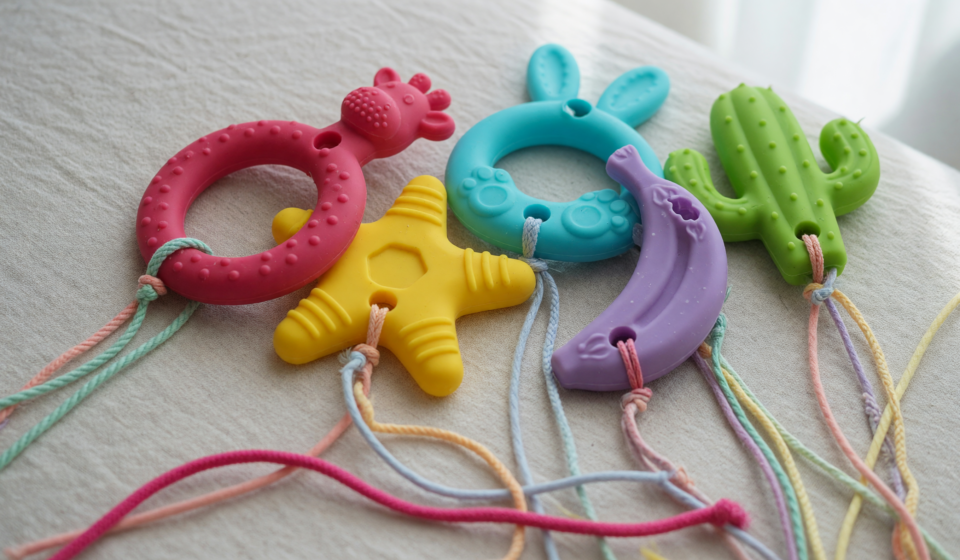
Pull-string teething toys are small silicone gadgets, often shaped like an octopus, a jellyfish, or a highchair toy, with dangling strings a baby can pull and stretch. In case after case this year, the CPSC found those strings do not meet the mandatory federal standard for toys. The agency’s language is consistent across the notices: the silicone strings “are smaller and longer than permitted” and “can reach the back of a child’s throat and become lodged,” creating a risk of respiratory distress and a deadly choking hazard.
Several distinct brands have been pulled from Amazon, all made in China and sold by third-party sellers:
- LiKee Pull String Teething Toys: about 24,400 units recalled June 11, 2026 (recall 26-538); the manufacturer received ten reports of the strings reaching the back of a child’s throat, causing respiratory distress or choking.
- GOPO Toys Pull String Teething Toys: about 70,410 units recalled June 18, 2026 (recall 26-562), tied to three reports of strings reaching a child’s throat.
- Sili Factory Pull String Teething Toys: about 5,918 units recalled July 23, 2026 (recall 26-635) by Aojieni Silicone, with one report of a toy’s strings reaching a child’s throat and causing gagging.
- CuddleCubs Creations Highchair Teething Toy Sets: about 106 units recalled July 23, 2026 (recall 26-638), sold on Amazon by YouRfocus; no incidents reported.
The toys sold for roughly $10 to $19 and were purchased between 2023 and early 2026. Across the recalls, no deaths have been reported, but the combination of documented throat incidents and the sheer number of units in circulation is exactly why the CPSC acts before a tragedy occurs rather than after.
Why it matters for safety
Choking is a leading cause of injury and death among infants and toddlers, and teething toys occupy a uniquely risky spot: they are designed to go straight into a baby’s mouth, handed to the exact age group least able to cope with an object that slips too far back. The federal toy standard limits how small and how long flexible parts can be for precisely this reason. A string that is thin enough and long enough to reach the back of the throat can trigger gagging, block the airway, or become lodged where a caregiver cannot easily reach it.
What makes this teething toy choking hazard especially worth flagging is the marketplace pattern behind it. These were inexpensive products from multiple sellers, shipped directly to homes, that reached families before anyone verified they met the toy standard. When several unrelated brands are recalled for the identical defect within weeks, it is a strong signal that other look-alike pull-string teethers still on sale may carry the same flaw, even if they have not yet been named in a recall.
What you should do
Stop using it now. If you own any pull-string silicone teething toy, take it away from your child today and set it well out of reach while you check whether it is covered by a recall. Do not wait for a symptom; the danger is the string, not how the toy has behaved so far.
- Identify the toy: Check the brand and where you bought it. The named recalls cover LiKee, GOPO Toys, Sili Factory, and CuddleCubs Creations sold on Amazon.
- Follow the CPSC remedy: Most of these recalls require you to destroy the toy by cutting off all the silicone strings, writing “RECALLED” or “DESTROYED” on the body in permanent marker, photographing it, and emailing the photo to the seller to receive a full refund or a free replacement.
- Check your other teethers: Inspect any flexible silicone toy for thin strings or strands long enough to reach the back of a small mouth. When in doubt, throw it out.
- Report a problem: If a teething toy has caused gagging or choking, file a report at SaferProducts.gov so the CPSC can track emerging hazards.
Context and what is next
This year’s cluster of teething toy recalls fits a broader trend the CPSC has been tackling: low-cost baby and toy products sold through online marketplaces that reach American homes before they are confirmed to meet mandatory standards. The agency has leaned on both formal recalls and marketplace pressure to get non-compliant items removed, and its July 23 batch of notices covered not only these teethers but also dressers, pool drain covers, and baby bibs flagged for choking risks.
For parents and caregivers, the practical takeaway is durable even as specific brand names change. Buy teething toys from sellers who can point to compliance with the federal toy standard, be skeptical of ultra-cheap silicone toys with long dangling parts, and check CPSC.gov/Recalls periodically, especially before handing down or reusing an older toy. Given how many of these products remain in nurseries and diaper bags, expect the CPSC to keep naming additional brands in the weeks ahead as sellers come forward.
Disclaimer. This article is for general safety information only and is not legal, medical, or product-specific advice. Recall details, unit counts, and remedies can change as the CPSC updates its notices. Always confirm the current status of any recall and the exact remedy directly with the CPSC and the recalling company before acting.
Sources: CPSC: Sili Factory Pull String Teething Toys recall (26-635); CPSC: CuddleCubs Creations Teething Toy Sets recall (26-638); CPSC: GOPO Toys Pull String Teething Toys recall (26-562); CPSC: LiKee Pull String Teething Toys recall (26-538); CPSC Recalls & Product Safety Warnings.