Paint Thinner Recalled Over Child-Poisoning Risk: Check Your Amazon Bottle
On July 16, 2026, the U.S. Consumer Product Safety Commission (CPSC) announced a paint thinner recall that should catch the eye of every parent, grandparent, and caregiver: roughly 4,200 bottles of Liizousuda-branded paint thinner, sold on Amazon.com, are being pulled because they came in packaging that is not child-resistant. The bottles hold low-viscosity petroleum distillates that can seriously harm a young child who swallows even a small amount, and the ordinary screw cap does nothing to slow a curious toddler down. No injuries have been reported so far, which makes this a rare chance to fix a hazard before anyone gets hurt.
What happened
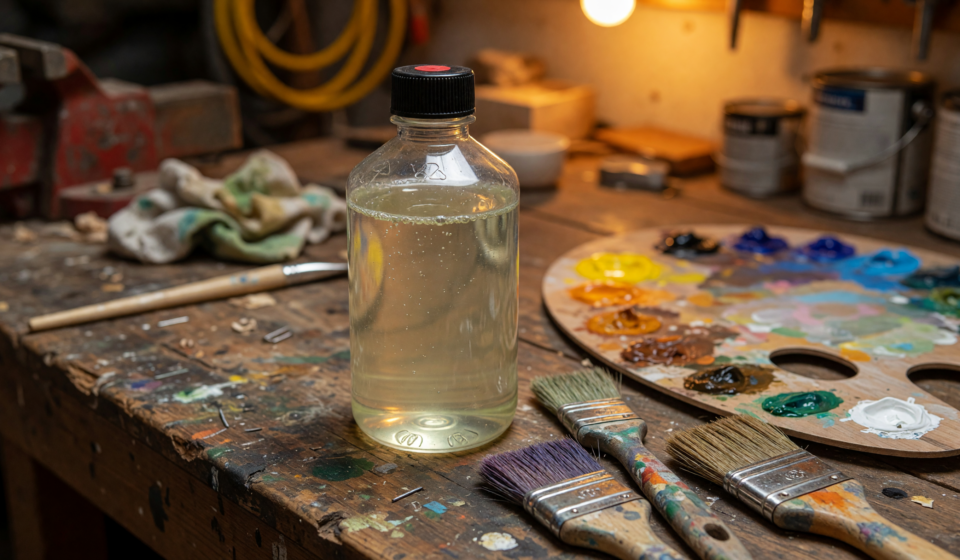
According to the CPSC recall notice (Recall Number 26-619), the recalled product is Liizousuda Paint Thinner, sold in a clear bottle with a black cap and a wraparound label that reads “Odorless Mineral Spirit” and “Artist Oil Thinning Medium.” The thinner was imported and sold by Shenzhen Gudebo Technology Co. Ltd., of China, through Amazon.com for about $10 between March 2025 and February 2026.
The problem is not the chemistry of the thinner itself, which is a common artist and household solvent. The problem is the packaging. The bottles were sold without the child-resistant closure that federal law requires for products containing low-viscosity petroleum distillates. Under the Poison Prevention Packaging Act (PPPA), certain hazardous household substances must be packaged so that most children under five cannot open them within a reasonable time. The recalled bottles fail that standard, and the CPSC says that violation creates a risk of poisoning, chemical pneumonia, and lasting lung damage if a child swallows the liquid.
Why this paint thinner recall matters for safety
Solvents like mineral spirits and paint thinner are especially dangerous to children for a reason that is not obvious: it is not only about the poison, it is about the physics. These liquids are thin and slippery, and if a child gulps one down and then coughs or vomits, a few drops can slip into the lungs instead of the stomach. That can trigger chemical (aspiration) pneumonia, a serious lung injury, even when the amount swallowed is small. That is exactly why the law singles out low-viscosity petroleum distillates for child-resistant packaging in the first place.
The CPSC has long noted that most childhood poisonings involve ordinary products already in the home, not exotic chemicals. A bottle that looks a bit like water or juice, sitting on a garage shelf or a craft table within a toddler’s reach, is a textbook setup for an accident. A child-resistant cap is the single barrier meant to buy a caregiver the seconds they need. When that barrier is missing, the margin for error disappears.
What you should do now
If you bought Liizousuda paint thinner on Amazon, treat it as an urgent item on your safety list. Here is how to check and respond:
- Identify it: Look for a clear bottle with a black cap labeled “Odorless Mineral Spirit” and “Artist Oil Thinning Medium,” purchased on Amazon.com between March 2025 and February 2026.
- Move it now: The CPSC advises securing the recalled thinner out of the sight and reach of children immediately — a locked cabinet or a high, closed shelf, not just the back of a countertop.
- Contact the seller: Reach the company (Shenzhen Gudebo Technology) at gudebo888@outlook.com to request a free replacement bottle fitted with a child-resistant closure.
- Do not pour it down the drain: Solvents should be disposed of through your local hazardous-waste program, not the sink or storm drain. Check your county or municipal website for drop-off details.
- Save the Poison Help number: Program 1-800-222-1222 into every phone in the house so it is ready before you ever need it.
If a child swallows a solvent, act fast. Do not wait for symptoms and do not try to make the child vomit — that can push the liquid into the lungs. Call Poison Help at 1-800-222-1222 right away, or 911 if the child is choking, struggling to breathe, or unresponsive. The line is free, confidential, and staffed around the clock.
The bigger picture: household chemicals and kids
This recall is a small one by volume, but the lesson behind it is not. Child-resistant packaging is one of the quiet success stories of American product safety. Since the Poison Prevention Packaging Act took effect in the 1970s, requiring safety caps on medicines and a long list of hazardous household chemicals, unintentional child poisoning deaths have fallen dramatically. The system works — but only when every product in the chain actually complies, which is why the CPSC treats a missing child-resistant cap as a serious violation rather than a paperwork problem.
The recall also highlights a recurring theme in 2026 enforcement: hazardous items reaching American homes through online marketplaces from overseas third-party sellers, sometimes without the safety features U.S. law requires. For families, the practical takeaway is not to avoid online shopping, but to apply the same scrutiny to a $10 solvent as you would to a medicine cabinet. Treat any thinner, cleaner, pesticide, or fuel additive as if the cap might fail, and store it accordingly — up high, locked away, and never in a cup, water bottle, or food container that could be mistaken for something drinkable.
The CPSC posts recalls like this one to its website continuously, and signing up for its email alerts is a free way to stay ahead of the next notice. For a product this inexpensive and this common, a five-minute check today is a genuinely good trade against a preventable emergency.
Disclaimer: This article is for general safety information only and is not medical or legal advice. Product details, recall terms, and remedies can change; always confirm the latest guidance directly with the CPSC and the manufacturer before acting. If you believe a child has been exposed to a hazardous substance, contact Poison Help at 1-800-222-1222 or call 911 immediately.
Sources: CPSC recall notice (Recall 26-619); CPSC: Poison Prevention Packaging Act; CPSC Poison Prevention Information Center.