
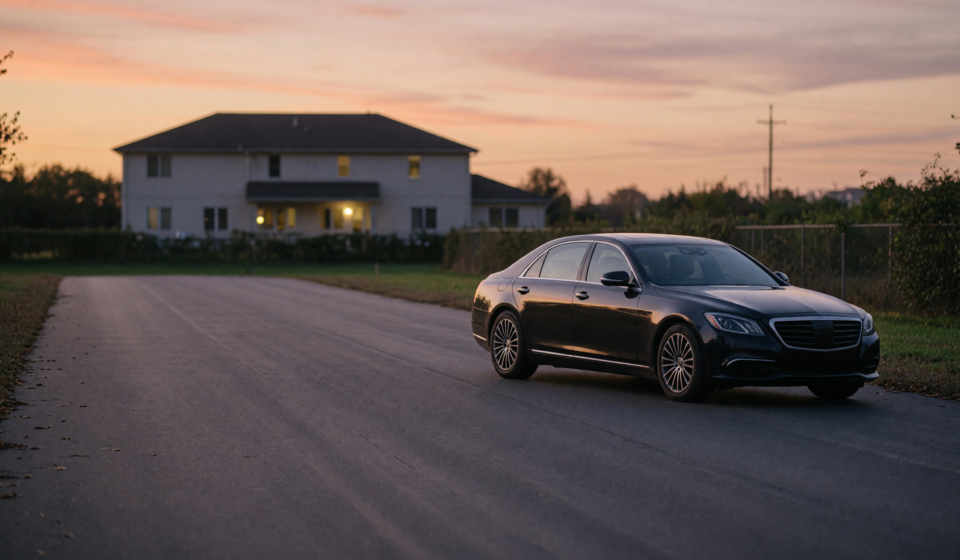
Hyundai Recalls 94,622 Genesis and G80 Sedans Over Power Seat Fire Risk
Hyundai Motor America has issued a Genesis power seat fire recall covering 94,622 luxury sedans after discovering that a stuck power seat control switch can overheat the seat motors and start a fire — even when the car is parked and switched off. According to the defect report Hyundai filed with the National Highway Traffic Safety Administration (NHTSA campaign 26V664) on October 8, 2026, the agency acknowledged the recall on October 14, and owners are being told to take a precaution most car recalls never require: park outdoors, away from other vehicles and buildings, until a fix is ready.
What happened
The recall applies to two closely related models from the Genesis luxury line: the 2015–2016 Hyundai Genesis and the 2017–2020 Genesis G80. In its filing, Hyundai says the front power seat motors can overheat because the switch that controls the seat slider and height adjustment may become dislodged or damaged by an external force and stick in the engaged position. When the switch stays engaged, the motor keeps drawing current and heating up — and because the circuit is not released when the vehicle is turned off, the overheating can continue after the driver has parked and walked away.
That is what makes this defect different from an ordinary electrical gremlin. NHTSA’s paperwork lists the component as the front power-adjust seat assembly and describes the risk plainly: the overheating “can lead to a fire while the vehicle is parked or being driven,” and a fire increases the risk of injury. Hyundai has told regulators it is aware of two alleged fires in the United States tied to the problem, with no reported crashes or injuries so far. The company says it first became aware of the issue in December 2021, and that thermal events linked to the power seat switch in its home market of Korea ultimately led to the U.S. recall.
Why the power seat fire risk matters for safety
A vehicle fire is dangerous in any circumstance, but a fire that can start while a car sits unattended is a particular hazard. A parked car is often inside an attached garage, next to a house, or packed tightly against other vehicles in a driveway or lot. A fire that begins in the seat frame of a parked sedan has time to grow before anyone notices, and it can spread to a structure or to neighboring cars. That is precisely why the interim guidance here is to keep affected cars outdoors and clear of buildings and other vehicles — the same advice regulators give for other “park outside” fire recalls, where the goal is to limit what a fire can reach if the worst happens.
It is also worth noting what the defect does not depend on. Because the motor can keep overheating after the ignition is off, the usual mental shortcut — “the car is off, so it is safe” — does not apply. Owners cannot rely on simply turning the vehicle off to stop the process once a switch is stuck, which is why the physical location of the car becomes the key safety measure until the repair is done.
What Genesis and Genesis G80 owners should do
If you own or regularly drive one of the affected sedans, there are a few concrete steps worth taking now, before owner notification letters go out.
- Check your VIN: Enter your 17-character vehicle identification number at the NHTSA recall lookup tool (nhtsa.gov/recalls). Hyundai’s VINs for this campaign became searchable beginning October 13, 2026, so an affected car should show the open recall now.
- Park outdoors in the meantime: Until the remedy is installed, Hyundai recommends parking the vehicle outside and away from structures and other vehicles — not in an attached garage or carport.
- Watch for warning signs: If you notice a burning smell or find that a power seat will not adjust or seems stuck, treat it as a potential symptom. Park the car, get everyone out, and contact a dealer rather than continuing to drive.
- Wait for your letter, then book the free fix: The repair is performed at no cost to the owner at Hyundai or Genesis dealerships. Owner notification letters are expected to be mailed on or about December 7, 2026.
- Keep your contact details current: If you bought the car used or have moved, make sure the dealer or manufacturer has your current address so the recall notice reaches you.
What to do if you smell burning. Do not wait to “see if it goes away.” Pull over or finish parking in a safe spot, turn the vehicle off, get all occupants out and a safe distance away, and call your dealer. If you see smoke or flames, call 911. A burning odor or a power seat that will not move are the symptoms owners are being told to take seriously.
Context and what’s next
As of the recall filing, the fix is still being developed — a common situation when a manufacturer reports a defect quickly. That means a VIN check today may confirm your car is affected but show that no remedy is yet available. When the repair is finalized, Hyundai will send a second notice telling owners the fix is ready, and the dealer service will be free. In the gap between now and then, the park-outside guidance is the active safety measure.
The recall reference numbers are Hyundai 308 and Genesis 035G, and the federal campaign is NHTSA 26V664. Owners with questions can reach Hyundai customer service at 855-371-9460 or Genesis customer service at 844-340-9741, and the NHTSA Vehicle Safety Hotline is available at 1-888-327-4236. Because the two affected nameplates — the older Hyundai-badged Genesis and the later Genesis G80 — are sometimes confused, drivers should confirm status by VIN rather than by model name alone.
Disclaimer. This article is for general safety information only and is not a substitute for the official recall notice or advice from the manufacturer, your dealer, or NHTSA. Recall details, remedies, and timelines can change. Always confirm whether your specific vehicle is affected using your VIN at nhtsa.gov/recalls, and follow the instructions in the official notice you receive.
Sources: NHTSA recall acknowledgment, campaign 26V664; Kelley Blue Book; CarBuzz.