
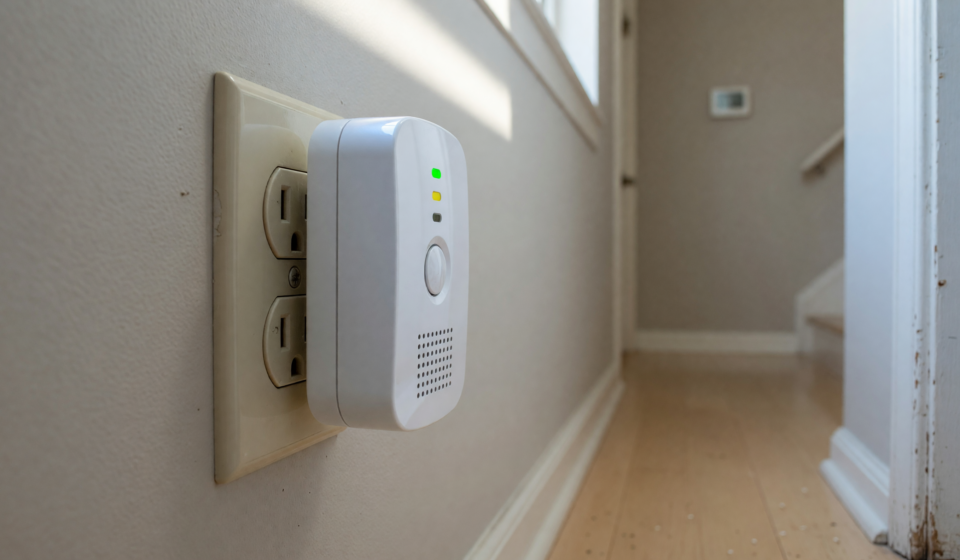
CPSC Warns: Stop Using These 4-in-1 Gas and CO Detectors That Fail to Alert
Washington, D.C. — August 20, 2026. The U.S. Consumer Product Safety Commission (CPSC) has issued an urgent carbon monoxide detector warning telling consumers to stop using and immediately dispose of a widely sold “4 in 1” plug-in natural gas and carbon monoxide detector, Model KH158, because it can fail to alert people to the presence of deadly carbon monoxide. About 376,974 of the detectors were sold across the United States under at least 18 different brand names, and the CPSC says it has received 91 reports of the devices failing to alarm when gas or carbon monoxide was present.
Because carbon monoxide is colorless and odorless, a detector that stays silent during a leak offers a false sense of security at the exact moment a household needs a real warning. That is what makes this alert different from a typical product recall: the very safety device families rely on to protect them may not work at all.
What happened
On August 20, 2026, the CPSC published a safety warning covering the Model KH158 “4 in 1” plug-in detector, a compact unit marketed to sense natural gas and carbon monoxide. The agency identified the products as being sold under a long list of storefront brand names, including ARIKON, ELECOIN, FLUNGSKY, HAOKESITE, Hembisen, JNHCD, KAKIMENT, KH Alert, KOABBIT, NICGOL, NORJAN, OUMEBIU, Sooguard, Vilfet, Vzmcov, WESHLGD, XLA Alert and YOJOCK. Despite the many labels, the CPSC describes them as the same underlying product.
According to the CPSC, the detectors were sold online from June 2024 through July 2026 on Amazon.com, eBay.com, AliExpress, microcenter.com and snapklik.com, at prices ranging from about $13 to $140. The manufacturer is identified as Shenzhen Kanghua Shengshi Industrial Co., Ltd., doing business as KH Alert, of China. The agency says the company has not agreed to recall the detectors, which is why the CPSC issued a direct consumer warning rather than a negotiated recall. The units are also cited against the UL 2034 standard for carbon monoxide alarms.
- Product: “4 in 1” plug-in natural gas and carbon monoxide detector, Model KH158.
- Units: About 376,974 sold in the United States.
- Reports: 91 reports of detectors failing to alarm in the presence of gas and/or carbon monoxide.
- Where sold: Amazon, eBay, AliExpress, microcenter.com and snapklik.com, from June 2024 to July 2026.
- Status: A CPSC warning, not a recall, because the manufacturer has not agreed to recall the product.
Why this carbon monoxide detector warning matters for safety
Carbon monoxide, or CO, is produced whenever fuel burns — in furnaces, water heaters, gas ranges, fireplaces, portable generators and vehicles. You cannot see it, smell it or taste it. At high concentrations it can cause confusion, loss of consciousness and death within minutes, and at lower levels it produces flu-like symptoms such as headache, dizziness and nausea that people often misread. A working detector is frequently the only way to know CO is building up, especially while a household sleeps.
That is why a detector that fails to alarm is treated as a life-safety emergency. The CPSC reports that non-fire carbon monoxide poisoning associated with consumer products kills hundreds of Americans every year, and the agency has documented an upward trend in recent years. A device that gives no warning does not simply fail to help — it can leave a family believing they are protected when they are not. In this case, the CPSC’s 91 reports of no-alarm failures are exactly the scenario a detector is supposed to prevent.
What you should do now
If you have a “4 in 1” plug-in gas and carbon monoxide detector, check the model number and brand against the CPSC warning. Because the same Model KH158 unit was sold under so many names, focus on the model number and the “4 in 1” plug-in design rather than the brand on the front. The CPSC’s guidance is direct: stop using the product and dispose of it immediately, then install a new, working carbon monoxide detector from a trusted brand that meets the current UL 2034 standard.
What to do. Stop using any Model KH158 “4 in 1” plug-in gas and CO detector now, dispose of it, and replace it with a working, standards-compliant carbon monoxide alarm. Do not wait for a refund or a recall notice — the CPSC says to remove these units from service immediately.
- Verify placement: Install CO alarms on every level of the home and near sleeping areas, following the manufacturer’s instructions.
- Test regularly: Press the test button monthly and replace batteries or the whole unit on the schedule the maker specifies.
- Buy from trusted sources: Choose alarms that clearly reference UL 2034 and come from established manufacturers, and be cautious with unusually cheap listings sold under unfamiliar storefront names.
- Never ignore an alarm: If a CO alarm sounds, get everyone to fresh air and call 911 or your local fire department from outside.
A wider pattern of faulty detectors
The Model KH158 warning is not an isolated case. Over the summer of 2026, the CPSC issued a string of alerts about combination smoke and carbon monoxide detectors that failed to warn as advertised. On July 9, 2026, the agency warned consumers to stop using JNHCD combination smoke and CO detectors sold on Amazon, eBay and Sears.com after determining they can fail to alert to smoke and fire; the CPSC said the seller had been unresponsive to its requests for a recall. Weeks earlier, on June 25, 2026, a separate line of Treatlife smoke and CO detectors sold on Amazon was recalled for failing to alert to fire, with the company offering full refunds.
A common thread runs through these actions: low-cost detectors sold online, often under multiple or shifting brand names, by overseas manufacturers who in several cases have not cooperated with a formal recall. When a company will not recall a dangerous product, the CPSC’s main tool is a public warning — which places the burden on consumers to recognize the device and pull it from service themselves.
Context and what comes next
As heating season approaches across much of the country, furnaces, space heaters and generators come back into heavier use — and with them, the risk of carbon monoxide buildup. That timing makes reliable detection especially important over the coming months. Safety advocates have long pushed online marketplaces to do more to keep uncertified and failure-prone alarms off their platforms, and the steady drumbeat of 2026 warnings is likely to sharpen that pressure.
For now, the practical takeaway is simple. Treat your carbon monoxide alarm as critical safety equipment, not a bargain-bin accessory. If yours is one of the flagged “4 in 1” plug-in units, replace it today with a detector you can trust — and check that every level of your home is covered before the weather turns cold.
Disclaimer: This article is for general safety information only and is not a substitute for professional advice or the manufacturer’s instructions. Product details, unit counts and remedies reflect the CPSC notices available at the time of writing and may be updated. Always follow the CPSC’s current guidance and the instructions for your specific detector.
Sources: CPSC warning on 4 in 1 plug-in gas and CO detectors (Model KH158); CPSC warning on JNHCD combination smoke and CO detectors; CPSC recall of Treatlife smoke and CO detectors; CPSC non-fire carbon monoxide deaths report.